loss prevention matters

Why loss prevention matters now more than ever

With US retail enduring one of the worst economic landscapes witnessed in recent years, it’s easy to imagine that loss prevention and other standard store practices may fall by the wayside.

But in a time when retailers are being called on to innovate and adapt, theft prevention, accurate stock-taking and shrink mitigation have never been more critical to protecting retail’s bottom line.

Here are five reasons why loss prevention matters now more than ever…

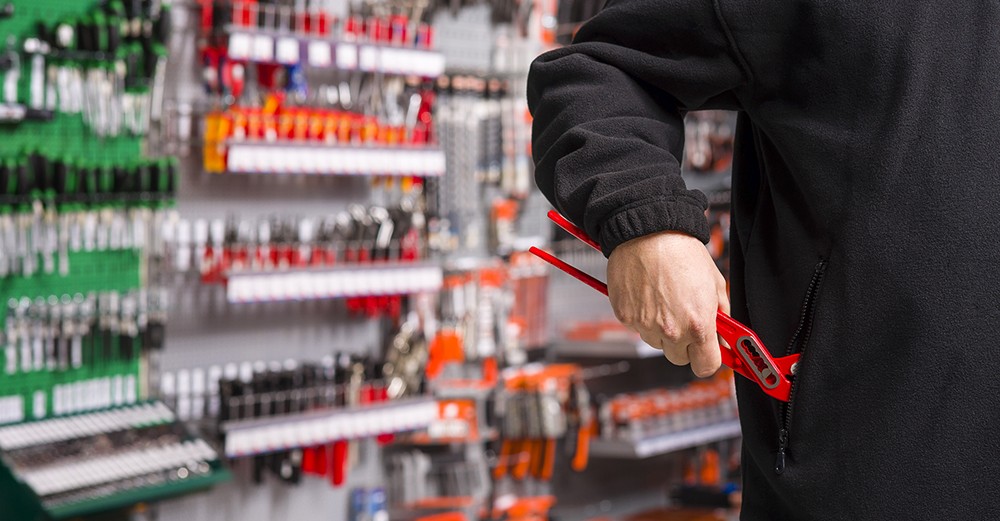
Shoplifting may increase

With household income dropping, experts have indicated shoplifting may increase in the months ahead. Research shows that after both the GFC and September 11, retail experienced an increase in employee theft and shoplifting as desperate times resulted in increasingly desperate measures.

That makes now the time for retailers to brace for a rise in theft, ensuring their loss prevention strategies are ready to weather a possible storm.

Reducing out of stocks to accommodate online retail

loss prevention matters

The past few months have required retailers to innovate and adapt to changing consumer habits. One big area which has emerged a winner is online retail.

For bricks and mortar retailers embracing the e-commerce arena, loss prevention pays a crucial role in reducing out of stocks.

Accurate stock counting and loss mitigation work hand-in-hand with retail trends like Buy Online Pick Up Instore (BOPIS), ensuring retailers have sufficient stock available when the customer orders.

Improving the customer experience

Retail loss affects the customer in a host of different ways – from the out of stocks mentioned above to increased product costs.

It can also impact the customer experience in other ways, including the delivery of good customer service.

When your staff are busy protecting a store against loss and keeping a watchful eye out for shoplifters, they are being taken from the key role that offers real-world retail a distinct advantage over online stores – face-to-face customer service.

Theft prevention measures like EAS and lockable product displays allow store associates to continue catering to the customer without the distraction of remaining hyper-vigilant against shoplifting.

While staff engage with the consumer, they can rest assured the EAS system will be monitoring items and alerting them to potential thefts, while the displays will physically prevent thieves from taking goods.

At a time when consumers are increasingly anxious about entering the real-world environment, customer service and the customer experience are critical to drawing people into a store.

Safety instore
loss prevention matters

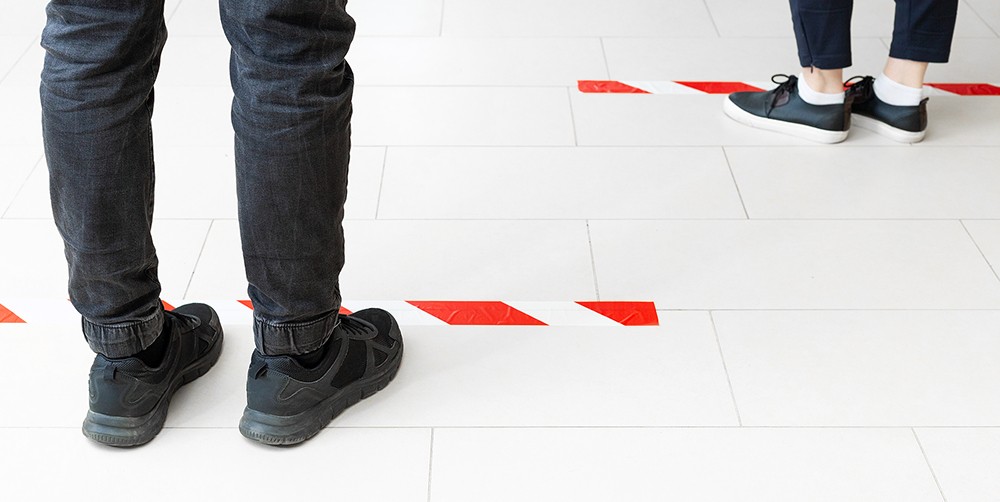
Safety is now front of mind for all consumers entering populated environments. This encompasses both their health in terms of hygiene measures and social distancing, and their physical safety in terms of how secure they generally feel within the retail environment.

Loss prevention tools play an important role in this perception of safety and security. Many strategies employed in loss prevention, like traffic counting, heat mapping and CCTV, can assist retailers to manage crowd numbers in-store, while theft prevention like EAS helps mitigate the risk of crime.

The bottom line is crucial

Retail has been one of the sectors hit hardest by this recent pandemic, with many stores seeing their profits fall away dramatically.

That means every dime counts now and will continue to matter in the months ahead. Importantly, the cost of shrink affects retailers far beyond just the $50 billion in lost sales.

It affects the customer experience in-store, the price of products, and ultimately a brand’s reputation. In a time of crisis, no retailer can afford that cost.

You can learn more about the role EAS plays in loss prevention here, or contact our friendly team to order your tags and labels here.

common shoplifting questions

Five common shoplifting questions answered

As US retailers prepare to reopen their doors to the public, the sector is bracing for a spike in shoplifting. With that in mind, let’s go back to basics, providing the answers to five common shoplifting questions.

How much does shoplifting cost retailers?

Each year, US retailers lose over $50 billion in revenue to retail shrink. An estimated 35.7 per cent of that is attributed directly to shoplifting. That means about $17.55 billion worth of products simply walks out the door in the hands of individual thieves or Organized Retail Crime.

To put that in perspective, on average every retailer loses 1.38 per cent of their sales to shrink.

What are the most common items stolen?

Items that are easily concealed or are high in re-sale value are often the most commonly targeted products for theft.

Across the verticals, the latest Global Retail Theft Barometer indicates the following products are most often stolen:

  • Apparel and Fashion accessories – Footwear, sports related clothing, fashion accessories, sunglasses, jewelry,
  • DIY/Home improvement – Power tools, batteries, outdoor plants, screws and washers, building supplies and timber/cables.
  • Electronics – Mobile devices/accessories, iPad/tablets, movies and music (DVD format), video games, laptops.
  • Food and beverage – Wines and spirits, baby formula, fresh meat, cheese, coffee.
  • Health and beauty – Perfumes and fragrances, makeup products, OTC drugs, razor blades, electric toothbrushes.

You can learn more about the recommended strategies for protecting each of these products here

How can you spot a shoplifter?

When it comes to shoplifter profiles, there’s no one size fits all approach. Shoplifters come from all walks of life, all nationalities and steal for a variety of reasons. For some, it’s compulsion, for others it’s organized crime, but the key indicator a shoplifter is in your store is suspicious activity.

This includes:

  • Avoidance – where potential shoplifters avoid eye contact and interaction with staff, and may appear nervous, or fidget
  • Excess baggage
  • Excess clothing
  • Regular visits with few purchases – which indicates they may be casing a store
  • Distraction – where the customer asks a lot of unusual questions
  • Examining, but not buying
  • Exiting quickly
  • Too many people in the change room
  • Loose price tags on an item being purchase (which can indicate tampering)

Which are the best theft prevention methods?

common shoplifting questions

Most retailers use a variety of theft prevention strategies focussing on both a product and store-wide level. These encompass staff training, bag checks, good store layout, security personnel, CCTV, and electronic article surveillance (EAS).

Of those strategies, EAS is considered one of the most effective. Comprising security tags, labels and antenna, it protects items at a product-based level, sounding an alarm when an item is stolen.

Used by over 80 per cent of US retailers, security tags and labels are found in large and small retail outlets, spanning all verticals.

Meanwhile, statistics indicate security tags and labels can reduce theft by up to 80 per cent.

Security tag or label?

In most cases, the value of the item, its size and the volume it is sold at determines whether you should be looking at tags or labels.

As a rough guide:

Tags – Are suited to clothing, apparel, fashion accessories, handbags, shoes etc  (you can learn more about selecting the right tag here)

Labels – Are suited to non-perishable groceries, pharmaceuticals, electronic accessories, perfumes, small items etc (You can learn more about selecting the right label here)

The final word

As retailers prepare to re-embrace consumers, there’s never been a better time to get back to the basics of loss prevention. You can learn more about the role EAS plays in shoplifting mitigation here, or contact our friendly team to order your tags and labels here.

shoplifting rise

Retailers report shoplifting rise

US retailers experienced a rise in shoplifting in 2019, with the crime continuing to rank as the number one contributor to retail shrink.

According to the latest Annual Retail Theft Survey by Jack L Hayes International, 66.7 per cent of retailers indicated shrink increased last year with shoplifting the primary contributor, while employee theft experienced a decline.

Here’s an insight into what the survey found…

The Annual Retail Theft Survey

Now in its 32nd year, the Annual Retail Theft Survey takes a deep-dive into what retail players are experiencing on the frontline of retail shrink.

This year’s survey involved 21 major retailers spanning 18,994 stores who collectively reported over $510 billion in retail sales in 2019.

Shoplifting on the rise

shoplifting rise

The 2019 survey found shoplifting continues to increase across the US retail sector, with 66.7 per cent of retailers indicating an increase in shrink last year, while 23.8 per cent reported a decrease, and another 9.5 per cent said shrink stayed about the same.

The predominant cause of that shrink remains shoplifting, which was conservatively estimated to account for between 30 and 40 per cent of all retail loss.

“For the past several years loss prevention professionals have rated shoplifting as their #1 shrink issue,” the survey explained.

Reasons cited for the increase in shoplifting include:

  • Increased Organized Retail Crime (ORC) activity
  • Legislation raising Felony Threshold Levels
  • More “hit n run”/fleeing shoplifters
  • Less staff on salesfloor creating more opportunities for shoplifters
  • Thieves view shoplifting as a high reward, low-risk endeavor

“Over the years, Hayes International has witnessed a steady and significant rise in shoplifting. Billions of dollars are stolen every year by shoplifters, negatively impacting retailers’ bottom-line profits, which results in higher prices to the consumer,” the survey noted.

Meanwhile, they noted the average shoplifting incident equated to around $50 in loss.

Employee theft

While this year’s survey indicated a decline in employee theft, the reality is each incident comes at a far greater cost to the retailer than shoplifting.

Retailers indicated in 2019 employee theft appeared to be down 2.9 per cent in 2018, but the cost of each case had risen 11 per cent to an average of $1,380.62.

Meanwhile, the survey further reported an astounding one out of every 50 employees was apprehended for theft from their employer in 2019.

“Many people often think of theft and abuse in companies as being isolated acts, which in themselves cost an organization little,” the survey stated.

“Unfortunately, this is untrue! Each year thousands of employees are caught stealing from their employers and co-workers. Furthermore, our studies reflect that this group of thieves are being caught stealing far more than a few insignificant supplies.”

Apprehensions

shoplifting rise

The Annual Retail Theft Survey has a major focus on apprehensions, with the 21 retailers involved noting they had apprehended a total of 48,036 shoplifters and dishonest employees in 2019, up 2.4 per cent from 2018.

Of those, 315,095 were shoplifters, up 3.0 per cent from 2018 and a further 32,941 were dishonest employees, down 2.9 per cent in 2018.

Funds recovered

Meanwhile, apprehensions often lead to items or funds being recovered.

In 2019, over $90 million was recovered from apprehended shoplifters, an increase of 3.5 per cent from 2018. The survey also found an additional $176 million was recovered from shoplifters where no apprehension was made, up 11.0 per cent from 2018.

In terms of dishonest employees, over $45 million was recovered from employee apprehensions in 2019, up 7.8 per cent from 2018.

“Dollar recoveries have increased in 21 of the past 22 years,” the survey indicated.

The final word

The Hayes International Annual Retail Theft Survey offers a fascinating insight into just some of the factors that currently contribute to over $50.6 billion worth of retail loss each year in the US.

As America readies to reopen its doors in the wake of Covid-19, there has never been a more critical time to curb the threat of both shoplifting and employee theft.

You can learn more about strategies to mitigate shoplifting here, and decreasing employee theft here. Meanwhile, you can find our range of security tags and labels to combat shoplifting here.

retail reopening

Loss prevention a priority for retail reopening

Retailers and consumers aren’t the only ones looking forward to a restart of the US economy. As shops begin to reopen their doors, Loss Prevention Magazine is predicting a rise in both Organized Retail Crime and general shoplifting.

They note a slump in employment may see crime on the up at a time when retailers are also navigating a revenue downturn and restricted supply line.

So how can retailers best prepare to welcome back shoppers yet ward off crime?

Desperate times, desperate measures

According to statistics, economic downturns often result in a spike in retail crime. LP Magazine notes after both September 11 and the Global Financial Crisis there was a “significant increase in theft and ORC activity”.

With the US economy hit hard by Covid-19, that trend could again resurface in 2020, especially with so many people facing unemployment.

Meanwhile, after a national shutdown, the retail sector is looking to make up for lost economic ground, hoping consumers will re-embrace spending with renewed confidence.

The last thing the sector needs in the wake of Covid-19 is to lose further revenue due to preventable shrink.

Theft prevention measures

retail reopening

As retailers look to reopen their doors with new social distancing rules in play, attention should also be firmly focused on loss prevention.

This should include a multifaceted strategy that encompasses an audit of the store’s layout and lighting, staff training, surveillance, and implementing available technology like Electronic Article Surveillance featuring security tags and labels.

Staff training

Now is the time to re-educate staff about what to look for in terms of shoplifting and Organized Retail Crime, along with the process of dealing with a suspected incident.

This will be particularly critical in retail outlets where new staff members may be joining the team.

Store layout

retail reopening

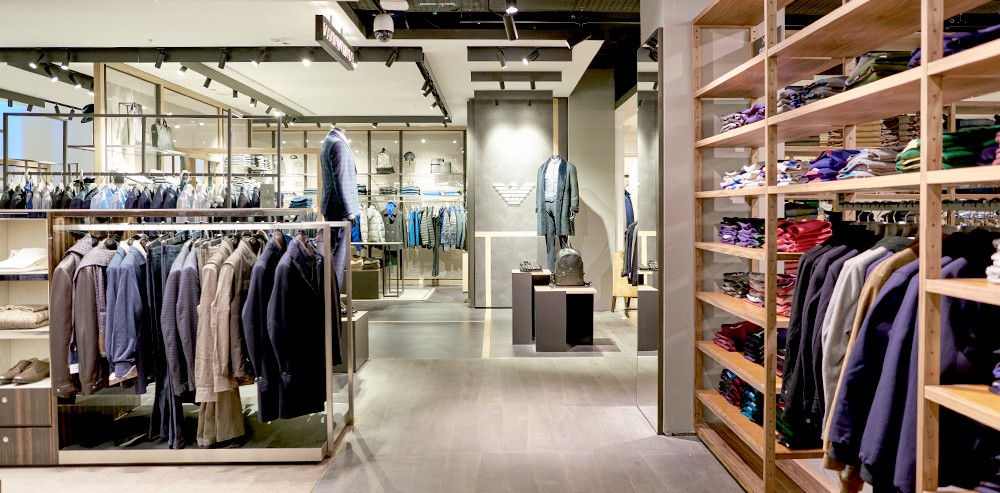
As retail managers take a cold hard look at their stores to reconfigure them for better social distancing, attention should also be paid to the role that layout and lighting plays in shoplifting.

This involves considering questions like:

  • Are there dimly lit areas or sections of a shop which are out of view of staff?
  • Are high-value items secured or positioned within view of the POS?
  • Are sales tables enticing enough to lure shoppers in, but far enough from the entry to deter incidents of snatch and grab?
  • Is your stock protected at a product-based level against theft?

Electronic Article Surveillance (EAS)

Comprising fashion tags, security labels, and purpose-designed tags like liquor bottle caps, EAS remains one of the most effective theft prevention strategies within the retail sector. The reopening of stores is the ideal time to audit your system and gauge its effectiveness.

Now is the time to ensure:

  • Tags are of a sufficient magnetic strength to reduce elicit removal (Superlock tags are the minimum magnetic locking strength recommended)
  • The right type of tags and labels are fitted to the right products
  • Tag pins are large enough to reduce the likelihood of illicit tag removal
  • Your EAS system is operating properly
  • Staff are educated on tag and label application, along with correct removal, and handling any alarms

You can read more about improving your EAS security in-store here.

Surveillance

retail reopening

In addition to EAS, many stores employ loss prevention personnel and technology like CCTV to guard against Organized Retail Crime and theft.

These strategies will be increasingly important as the retail sector opens for a number of reasons.

Security personnel will now also be largely responsible for handling social distancing in-store, in addition to their loss prevention duties.

That means they will require additional training and support in the form of technology.

The road ahead

The reopening of US retail outlets is welcome news for both the sector and the national economy. But if history is anything to go by the tough economic times could see a spike in crimes that are both organized and increasingly desperate.

For retailers, the key is to be ready, to be prepared and to leave nothing to chance when it comes to loss prevention.

You can view our range of security tags here and see our lineup of labels here.