five-takeaways-from-retail’s-big-show-chapter-1

Five takeaways from Retail’s Big Show – Chapter 1

The National Retail Federation has just concluded the first instalment of Retail’s Big Show for 2021, and this year the event looked very different to years gone by.

Held virtually, the show was divided into two ‘chapters’, with the first held in January and the second to commence in June.

Despite its online venue, the event packed all the punch of previous years with a specific focus on the immediate needs facing retailers today and featured curated sessions, networking programmes and a virtual expo.

With its focus on moving forward together as an industry, here are five takeaways from Chapter 1 of Retail’s Big Show.

The future pulled forward

In a session on ‘Technologies Shaping the Store of 2025’, panellists noted the pandemic had “pulled the future forward”, accelerating adoption of e-commerce.

However, consumers still want curation, personal guidance and authentic connection, regardless of how they shop.

“In the world of commerce, the things we thought we would see in 2030 are now things that we’re seeing today,” Shopify director of product, retail, Arpan Podduturi, explained.

Meanwhile, head of global retail operations at Allbirds, Travis Boyce, noted the role of bricks and mortar was transforming into a hub where shoppers could fulfil needs like buying online and returning in store or engage in events as retail and communities begin to open back up.

It’s all about the show
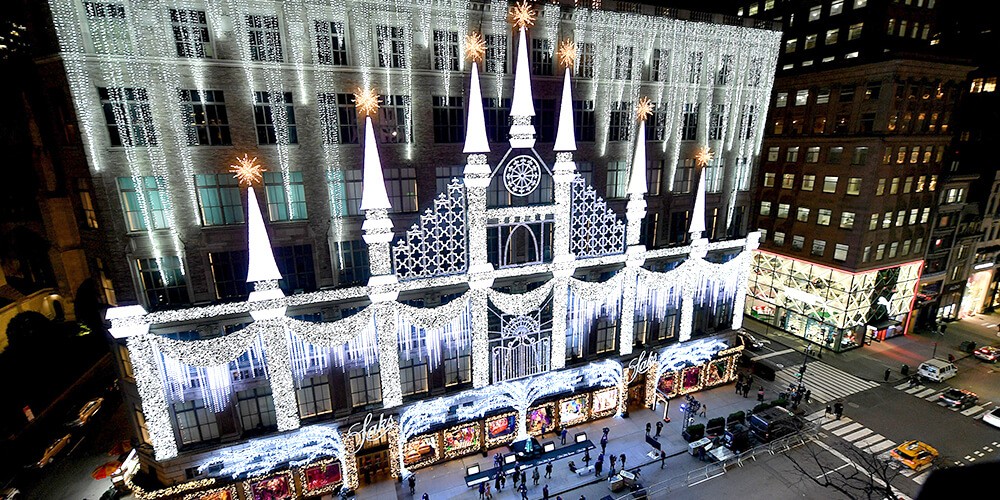
Photo by: PR Newswire

Luxury retailer Saks Fifth Avenue was among the stores represented in a chat focused on re-imagining retail, with CEO Marc Metrick also agreeing the events of2020 had provided an accelerant for change.

However, he also added that in the case of luxury bricks and mortar retail physical stores continue to be important.

“For luxury, especially, it’s the theatre: People want to see the show,” he said, and since Saks reopened its stores, they have been performing only slightly below 2019 levels.

Better catering to the product cycle

Another thing Saks observed in 2020 was that in the future they could better cater to the product cycle.

For example, their seasonal ranges usually arrive almost six months prior to the season beginning and then the shop needs to push the product. In 2020, stores were closed in the early half of the year and then reopened in May.

“When the customers arrived, guess what was in the stores? Summer product,” Mr Metrick said.

“It had been on the floors since February, but this was the first time they’d seen it. We didn’t have to push it or promote it. It just sold, because we were meeting the customer’s needs.”

The significance of sustainability

A session involving IKEA and H&M representatives looked at whether sustainable purchasing habits changed as a result of 2020.

After years of an increasing shift to more socially and environmentally aware purchasing, the customer’s commitment to ethical retailing was not impacted by COVID-19, both retailers noted.

However, their budget tended to be smaller and the product focus changed to align with the new normal. They also explained that Gen-Z continued to lead the socially conscious push and had a huge demand for information about products.

“Having grown up as digital natives they understand — maybe better than any preceding generation — how to access information,” H&M US sustainability manager Abigail Kammerzell noted.

“And they’re really demanding about it. They want to know where our clothing is made and out of what, what the social implications of that are, and what’s the responsibility of the consumer once they’re done with it.

“On top of that, Gen Z has definite expectations about what a business is: It’s not just here to provide an item, it’s also here to improve the society and community in which it operates.”

All round excellence

It’s not enough for a retailer to excel in one area, they need to be excellent all-rounders. That was the message from Wayfair CEO Niraj Shah, who noted what “you’re not good at limits your growth and being great in other areas doesn’t make up for it”.

As an online retailer focussed on furniture, Mr Shah explained for his company that involved a focus on both merchandising and logistics.

But most importantly it involved intimately understanding exactly what a customer needs, and then drawing on tools like technology to meet those requirements.

Lowe’s CEO Marvin Ellison agreed, explaining the true role of technology was to deliver a better customer experience.

“As we look to the future, we ask one single question: What is in the best interest of our customers?

“The most effective technology is a technology that no one sees. All the customer knows is that the transaction was easy. All the associates and supply people know is that the system works well.

“And that,” Mr Ellison said, “is what good innovation looks like.”

The first chapter of Retail’s Big Show ran over various dates from January 12 while the second chapter will commence in June. Further information about the event is available at the National Retail Federation.


holiday-spending-surge

Retailers celebrate holiday spending surge

US retailers are celebrating after a holiday sales surge that defied expectations.

The latest data from the National Retail Federation indicates sales during the November-December holiday season grew 8.3 per cent over the same period in 2019 to $789.4 billion, despite the tough conditions of Covid-19.

Here’s an insight into the spending trends that drove that unexpected sales increase.

Well above previous years

Prior to the holiday period, forecasters had been cautious in their expectations for the season of giving, noting tough economic conditions and the year of Covid could have a major impact on sales.

Consumers defied these expectations, however, with the NRF noting they kicked up a gear in December, most likely as a result of government stimulus.

“There was a massive boost to most consumer wallets this season,” NRF Chief Economist Jack Kleinhenz said.

“Consumers were able to splurge on holiday gifts because of increased money in their bank accounts from the stimulus payments they received earlier in the year and the money they saved by not travelling, dining out or attending entertainment events. Some families are still struggling, as are some retail sectors.

“But the promise of a new round of stimulus checks after a deal was struck before Christmas helped increase consumer confidence.

“Consumers were also encouraged by the news of COVID-19 vaccines becoming available, which helped offset concerns about increased infection rates and state restrictions on activity.”

As a result, spending surged to 8.3 per cent above the same period in 2019 and was more than double the 3.5 percent average holiday increase over the previous five years, including 2019’s 4 per cent gain.

An online emphasis

An online emphasis

As expected, much of the holiday season spend transferred online, with online retail increasing 23 per cent to $209 billion.

However, there was also a spike in purchasing in the third and fourth week of December after it was too late to expect delivery of online purchases by Christmas.

The NRF noted consumers worked around this by taking advantage of services like Buy Online Pick-up In-Store (BOPIS) and via quick in-and-out trips to physical retailers.

What people were buying

Some retail verticals performed better than others throughout the holiday season, with sectors like home improvement performing particularly well.

The NRF noted winners and losers of the spending surge were:

  • Building materials and garden supply stores, up 19 per cent
  • Sporting goods stores, up 15.2 per cent
  • Grocery and beverage stores, up 9.6 per cent
  • Health and personal care stores, up 5.4 per cent
  • Furniture and home furnishings stores, up 2.2 per cent
  • General merchandise stores, down 0.1 per cent
  • Electronics and appliance stores, down 14.4 per cent
  • Clothing and clothing accessory stores, down 14.9 per cent

The takeaway

The takeaway

The NRF explained despite unprecedented challenges in the holiday season of 2020, both consumers and retailers demonstrated “incredible resilience”.

“Faced with the rising transmission of the virus, state restrictions on retailers and heightened political and economic uncertainty, consumers chose to spend on gifts that lifted the spirits of their families and friends and provided a sense of normalcy given the challenging year,” NRF President and CEO Matthew Shay stated.

Future optimism

Now as America looks to a new government and a new year ahead, the National Retail Federation is expressing cautious optimism.

“We believe President-elect Biden’s stimulus proposal, with direct payments to families and individuals, further aid for small businesses and tools to keep businesses open, will keep the economy growing,” Mr Shay said.

no-slowdown-in-organized-retail-crime-

No slowdown in Organized Retail Crime

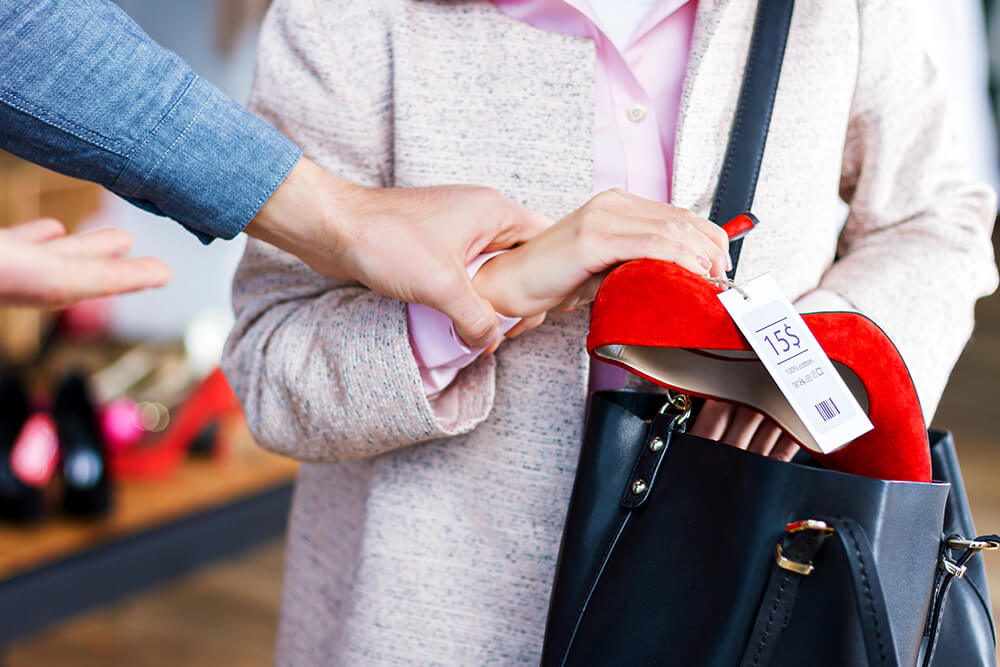
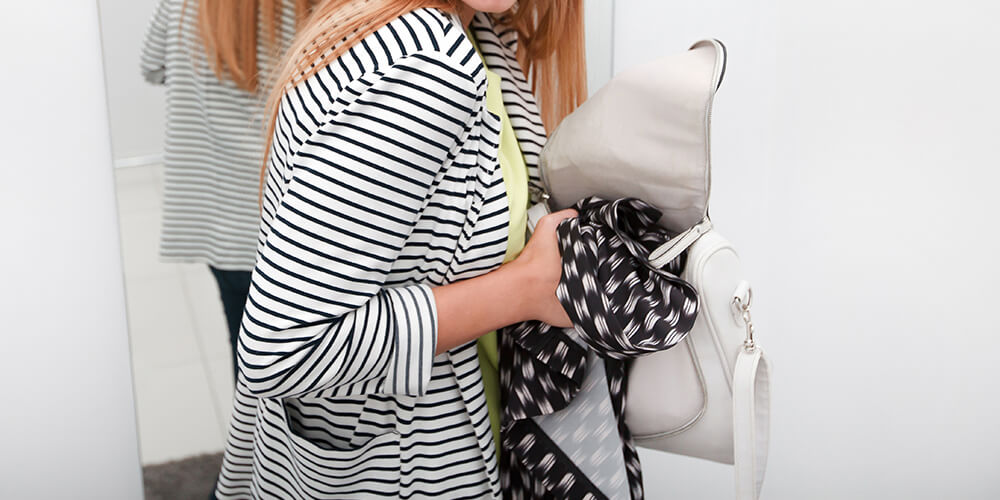
Organized Retail Crime (ORC) continues to be a major problem for the retail sector, with the latest survey from the National Retail Federation finding losses increased in 2020 and perpetrator aggression was also higher than the year prior.

Released in mid-December, the Organized Retail Crime Survey 2020 found Organized Retail Crime cost retailers an average of $719,548 per $1 billion in sales, which was up from $703,320 in 2019. Meanwhile, many retailers have changed or are looking to change their store policies as a result.

Here’s an insight into what the annual ORC survey revealed.

Organized Retail Crime continuing to rise

Last year marked the fifth consecutive year that retailers reported Organized Retail Crime had topped $700,000 per billion in sales.

In 2020, they noted the figure was on average $719,548, which was an increase of over $16 million in 2019 and significantly greater than in 2015 when the figure was just $453,940.

In fact, three in four retailers said ORC had increased in the past year with almost a third noting that increase was significant, and many attributed the rise to changes in legislation that raised the threshold of what constitutes a felony.

Retail response

Retail response

In response to the increased threat, the report most retailers were turning their attention to theft prevention.

In the past 12 months:

  • 33 per cent of retailers surveyed had changed their return policy, while 19 per cent intended to
  • 29 per cent had changed their Point of Sale policy, while 16 per cent intended to
  • 20 per cent had altered their trespass policy, while 7 per cent intended to
  • 14 per cent had changed their employee screening policy, while 14 per cent intended to

Meanwhile, 61 per cent of retailers noted their company was now prioritising Organized Retail Crime more than they did five years ago, 52 per cent said their company was allocating additional technology resources to address risk, and 36 per cent said their company was increasing its annual loss prevention budget.

More aggression

The majority of retailers also reported Organized Retail Crime involved more violence in 2020 than it did in 2019.

Almost a third of respondents (31 per cent) said perpetrators were much more aggressive, 26 per cent said they were somewhat more aggressive, 41 per cent reported the aggression was the same as the year prior and just two per cent said perpetrators were less aggressive.

Top items stolen

Top items stolen

When it came to the products commonly targeted by perpetrators of retail crime, the report found designer clothes well and truly topped the list, accounting for 34 per cent of thefts.

Designer clothes were followed by:

  • Laundry detergent (21 per cent)
  • Designer handbags (16 per cent)
  • Deodorant (15 per cent)
  • Laptops/tablets (13 per cent)
  • High-end liquor (13 per cent)
  • Allergy medication (13 per cent)
  • Pain relievers (13 per cent)
  • Infant formula (13 per cent)
  • Denim pants (11 per cent)
  • Cigarettes (10 per cent)
  • Contraceptives (10 per cent)
  • Teeth whitening strips (10 per cent)
  • Cell phones (8 per cent)
  • Energy drinks (7 per cent)
  • High-end vacuums (5 per cent)
  • High-end appliances (5 per cent)

Should these items then be located or recovered, they were most likely found on other websites (59 per cent), in pawnshops (20 per cent), in check cashing stores (6 per cent), or at other venues (9 per cent).

About the survey

The NRF Organized Retail Crime Survey 2020 involved 61 anonymous retailers and was conducted between February and April 2020. Survey authors note it took place during the Covid-19 shutdowns and may reflect that uncertainty.

The full NRF report is available here, while retailers can gain further insight into strategies to mitigate ORC here.