The Retail Outlook for Mother's Day 2019

The retail outlook for Mother’s Day 2019

With just over a week to go until Mother’s Day, US consumers are set to dig deep, with the National Retail Federation predicting a record $25 billion is set to be spent on gifts.

The event will mark a major boon for retailers, but with some of the most commonly stolen items ranking high on many shoppers’ gift lists, it will also pose a major challenge in shoplifting prevention.

Here’s an insight into the trends driving Mother’s Day 2019, and how retailers can best protect themselves against theft.

Mother’s Day 2019

A recent NRF survey indicates Mother’s Day spending is set to reach a record amount this year, and a greater variety of gifts is on the agenda.

Traditional items like flowers and cards will remain popular but chances are they will be given alongside more unconventional options like massages, electronics and gift cards.

To accommodate the changing trend, the NRF notes many consumers will be relying on retailers to offer gift suggestions.

In fact, 81 percent of consumers noted they would look to retailers for inspiration when making Mother’s Day purchases.

What’s on the gift list

A gift that’s unique, personal and makes a special memory are the main priorities when it comes to this year’s Mother’s Day purchasing.

The NRF notes that’s seeing a major rise in personal service offerings.

“The number of people planning to gift a personal service (like a much-deserved massage) has grown from 16 per cent 10 years ago to about 25 per cent today, and spending on these gifts has nearly doubled,” they reflect.

Meanwhile, consumer electronics and gift cards have also risen in popularity.

“While these gift categories continue to grow, they’re doing so alongside more classic Mother’s Day gifts, rather than replacing them.

“Spending on flowers, for example, has grown by a third over the last 10 years; spending on Mother’s Day jewellery has increased from $2.3 billion in 2009 to over $5 billion today.”

Loss prevention and Mother’s Day

Retailers may be rubbing their hands together in anticipation of a welcome revenue boost, but with increased foot traffic and often-stolen items on ready display, Mother’s Day will also offer a unique set of theft protection challenges.

The latest Global Retail Theft Barometer notes perfumes, jewellery, electronic items and accessories are amongst the most popular items targeted by thieves. They’re also some of the items most likely to be on display over the coming days.

So, what should retailers do?

Top tips to handle the Mother’s Day shrink

Prime your staff – Staff remain a key deterrent for any retail loss, so give them a word to the wise in advance, re-instilling the need to meet and greet customers and remain vigilant about keeping a watchful eye on the floor.

Electronic Article Surveillance – Comprising antenna, security labels, and hard tags, electronic article surveillance is the most effective product-based defence method against loss,.

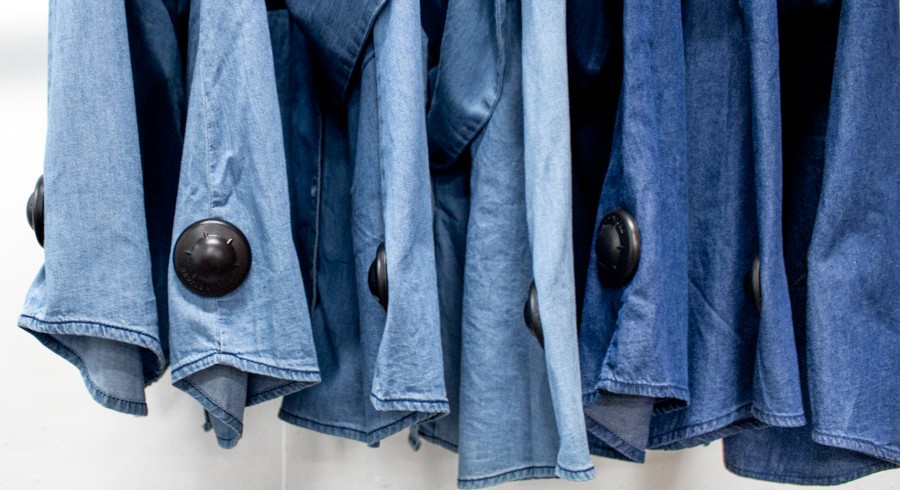
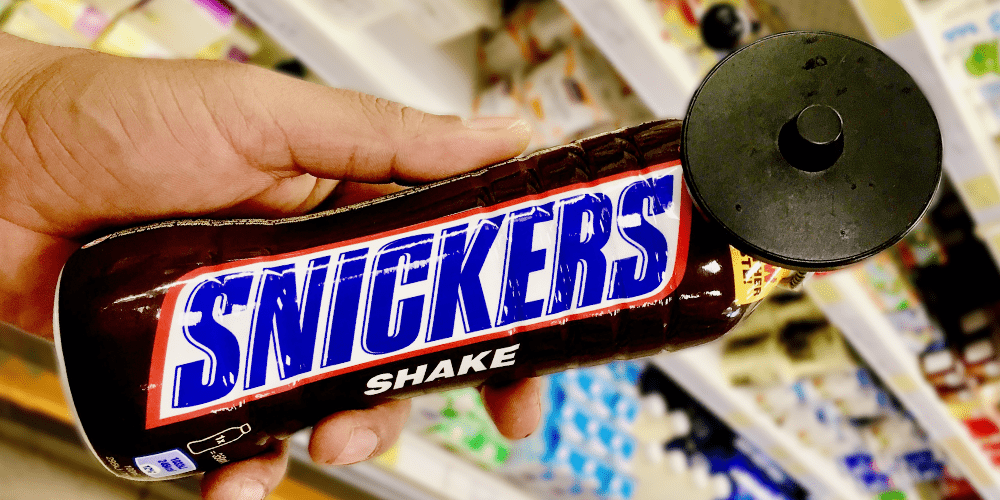
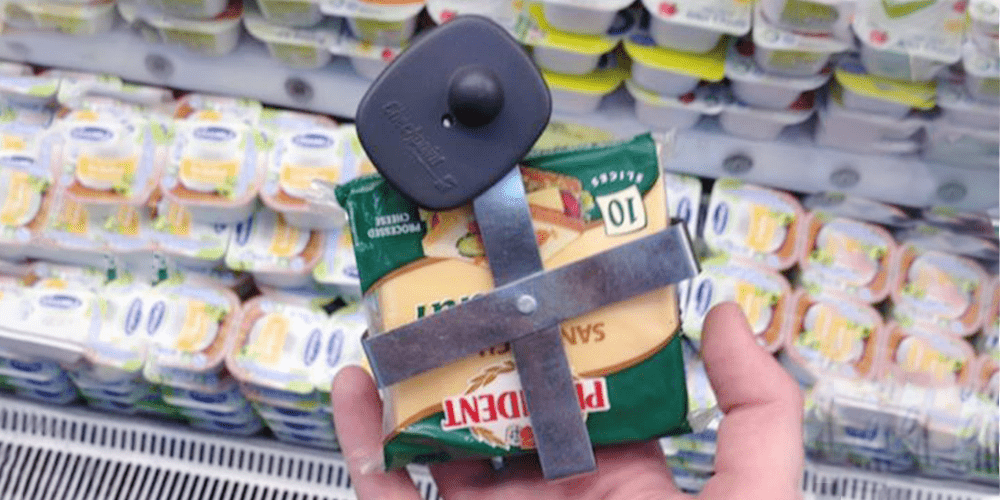
While often associated with apparel, EAS security tags extend far beyond just clothing. Modern tags include bottle locks designed for wine and spirits, optical locks for sunglasses, and lanyard loops and pins that allow tags to be secured to a wide range of merchandise including hard items.

Secure displays – For high value items or additional stock, secure displays, security packaging and stop locks are also widely used. These are particularly valuable for decreasing the theft of electronics and accessories.

Surveillance – Complementing vigilant staff and EAS is the watchful eye in the sky – CCTV surveillance, and this can act as a theft deterrent as well as a means to catch thieves in the act. To ward off would-be thieves, consider the placement of signage notifying them CCTV is used.

The final word

With a bumper year predicted, Mother’s Day 2019 is primed to offer a major boost for US retailers. However, the busy trading period should also see them turn their attention to security to ensure the gift of Mother’s Day doesn’t lost its shine due to shoplifting.

6 Hidden Benefits of EAS

Six hidden benefits of EAS

When talk turns to Electronic Article Surveillance, the focus is often on its role in reducing theft. But in the competitive world of real-world retail, the benefits of EAS extend far beyond deterring and detecting shoplifting.

EAS can also improve the customer experience, general store safety and staff productivity. So, here’s an insight into six hidden benefits of EAS.

The customer experience

In the modern retail environment, the “customer experience” allows bricks and mortar retailers to play to their strengths. A positive customer experience sees consumers touching, feeling and interacting with products as part of their purchasing journey.

EAS helps facilitate this experience by allowing retailers to securely showcase their wares in an open and welcoming environment without the fear of theft.

Due to the discreet, unobtrusive nature of security tags and labels, customers can freely interact with merchandise, while the store associate can concentrate on selling rather than standing guard against shoplifting.

Open display of stock

When it comes to shoplifting, high-value products that are easily re-sold are some of the most commonly targeted items.

Traditionally retailers protected these products by keeping them secured in lockable cabinets or displays. While this method was effective, it’s not exactly welcoming and also costs the retailer time and effort.

Instead, EAS allows the open display of items, providing easy access and an attractive experience, in the knowledge each item is protected by tags or labels at a product level.

Staff productivity

The beauty of EAS is that it alerts staff to a potential theft by sounding an alarm. This allows retailers to get on with the job of selling and serving their consumers, rather than constantly monitoring stock or analyzing surveillance footage.

EAS also cuts down on time wasted opening and closing lockable cabinets or displays.

Fewer out of stocks

6 Hidden Benefits of EAS

When items randomly go missing due to theft, retailers lose their ability to keep track of stock. Ultimately this can result in products being out of stock, which again affects the experience of the customer and the productivity of staff.

EAS helps reduce out of stock events by ensuring the product is available.

Improved store safety

Unobtrusive and effective, EAS helps benefit the store environment as a whole. It works to deter shoplifters from targeting a retail outlet, but also helps catch them in the act should they run the risk of attempting a theft.

This improves the safety of the retail outlet as a whole for both staff and customers.

Easy to operate

Once an EAS system has been installed and activated, it is simple for staff to use. The antennas run 24/7 and require very little maintenance.

Staff simply affix active security tags or labels to a product, which then communicate with an antenna. These tags and labels are quickly and easily detached or deactivated at the Point of Sale as part of the sales transaction.

Tags can be reused, while deactivated labels are disposable and pass through the security antenna without sounding an alarm.

The final word

EAS is renowned by retailers across the globe as one of the most effective methods of preventing theft, with statistics indicating it can reduce stock loss by up to 80 per cent.

In the interim, it also reduces the burden on staff when it comes to detecting theft, helps create a safer more welcoming environment and allows consumers to freely interact with merchandise, affording them an improved customer experience.

You can learn more about selecting the right EAS system for your retail outlet here.

Training your staff in the use of EAS

Training your staff in the use of EAS

Regardless of which Electronic Article Surveillance (EAS) system you employ or whether your retail outlet favors hard tags or security labels, your staff should be properly trained in the system’s use.

Staff training ensures your EAS system functions effectively, while consistently and reliably guarding your products against theft.

Here’s a quick guide to training your staff in the use of EAS.

Very little maintenance

Once installed, the antennas or pedestals associated with EAS systems require very little maintenance. When maintenance or a repair is required it should only be conducted by a qualified technician in accordance with the manufacturer’s instructions.

System checks

EAS system checks should be conducted daily at the time of store opening.

Generally, these checks take just a couple of seconds and involve ensuring the power outlet to the pedestal is switched on, and the relevant lights are illuminated to indicate the system is working.

False alarms

False alarms present one of the biggest threats to the effectiveness of any EAS system as they desensitise staff to potential thefts and also impact the customer experience.

Basically, every alarm that sounds in your store should mean a theft is occurring, and if it doesn’t, it’s critical to understand why.

There are a couple of very common, preventable reasons false alarms might be occurring, including:

  • Failure to properly remove tags or deactivate labels
  • Merchandise positioned too close to the antenna
  • Improper EAS sensitivity levels
  • Tag interference
  • System malfunction (this is rare)

The “no tag” zone

Training your staff in the use of EAS

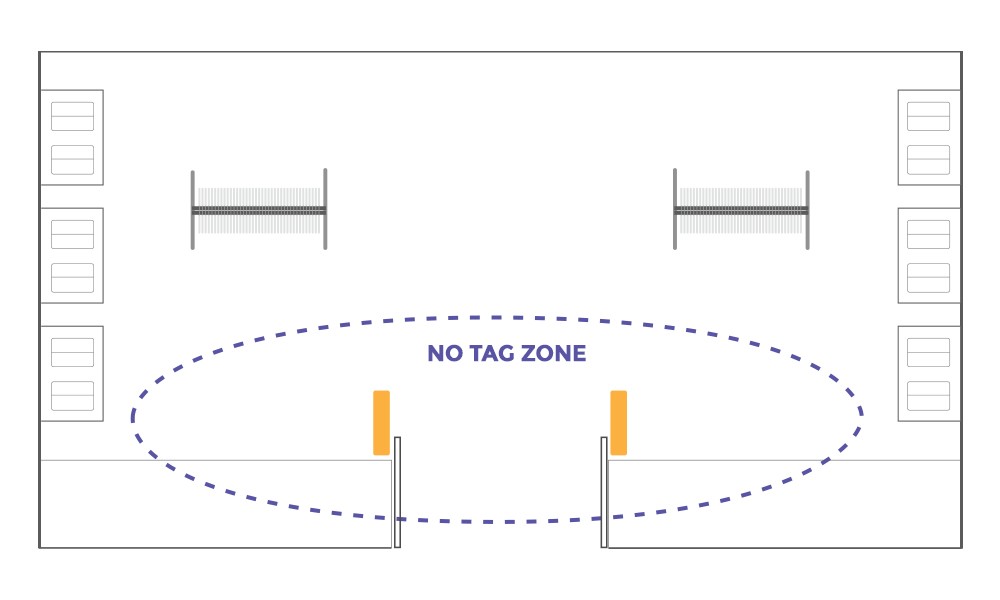
One of the most important things staff should understand is that product positioning can affect your EAS.

Basically, every EAS system has a “no tag” zone. This area comprises 6ft around the EAS antennas and the space between them. This area should be kept free of product displays, clothing racks, LCD screens and even decorations. (Some decorations, especially those with foil or metal have been known to trigger an EAS alarm).

Deactivation and detaching

As part of daily system checks, staff should ensure all label deactivators are plugged into a power source and operating correctly. Meanwhile, all staff should be thoroughly trained on the removal of tags, and tag detachers should be made readily available at the Point of Sale.

Tag and label positioning

Label and tag positioning play an important role in how quickly and effectively a security label can be deactivated or how easy it is for staff to detach a security tag.

The ideal position for a security label is near the barcode, while ensuring the security label does not obscure it. This position allows for quick deactivation and maximum efficiency at the Point of Sale.

When it comes to security tags, they should be positioned so as not to interfere with the customer’s experience of an item yet be placed in a spot that’s easy for store associates to locate and access for tag removal.

Implementing a store guide that provides consistency in label and tag positioning can assist. Meanwhile, store management should ensure there are enough detachers and deactivators available at the Point/s or Sale.

Tag pollution

Tag pollution occurs when labels or tags are not properly deactivated or removed by other retailers.

Many advanced EAS antennas feature multi-coloured lights which allow staff to understand whether an alarm is sounding as someone enters or exits the store. This helps determine whether an alarm is sounding due to tag pollution or an actual theft.

Ensure staff are properly trained on identifying and handling tag pollution.

EAS sensitivity

When your EAS system is first installed, a technician will set its sensitivity. This sensitivity allows interference to be filtered out depending on your retail environment.

If false alarms are sounding, the sensitivity level may be a contributing factor. If you believe that’s the case, notify your EAS supplier so they can have a technician attend the store or even adjust it remotely over the internet.

Theft detection policy

Finally, all retail outlets should have guidelines for what staff need to do if they believe a theft is occurring or an EAS system is not working effectively.

These guidelines should incorporate tag and label positioning, EAS system contact details, maintenance schedules and more.

For more advice on using the right tags or labels to suit your retail environment, you can contact our friendly Security Tags staff here.

Top 4 techniques of shoplifting and how to thwart them

The top four shoplifting techniques…and how to thwart them

If you think shoplifters won’t target your store, think again. No matter your store type or size, at some point odds indicate it will be targeted for theft.

Sometimes that shoplifter may be an amateur taking advantage of opportunity but on other occasions a theft could be a highly premeditated crime.

Regardless of whether it’s a novice or professional job, these are four of the most common techniques used.

Distraction

A theft is easier to commit in a busy environment where the sales associate has their attention elsewhere. The professional shoplifter knows this all too well.

Often working in groups of two or more, this technique sees one person try to distract staff while their counterpart conceals an item or removes it from its packaging.

These types of shoplifters are also more likely to strike at notoriously busy times. That’s why Christmas and sale seasons are such renowned periods of theft annually and why opening, closing or shift changes are when thieves are more likely to strike during any given day.

Staff should be aware that busy times present a store security threat, and should pay extra attention to what’s happening on the floor during these periods.

Meanwhile, if a customer appears to be commanding a staff member’s attention for no good reason, chances are there’s something more occurring.

Staff should be trained to identify suspicious behavior, and clear on a retail outlet’s policies when it comes to approaching a suspected thief.

Layering

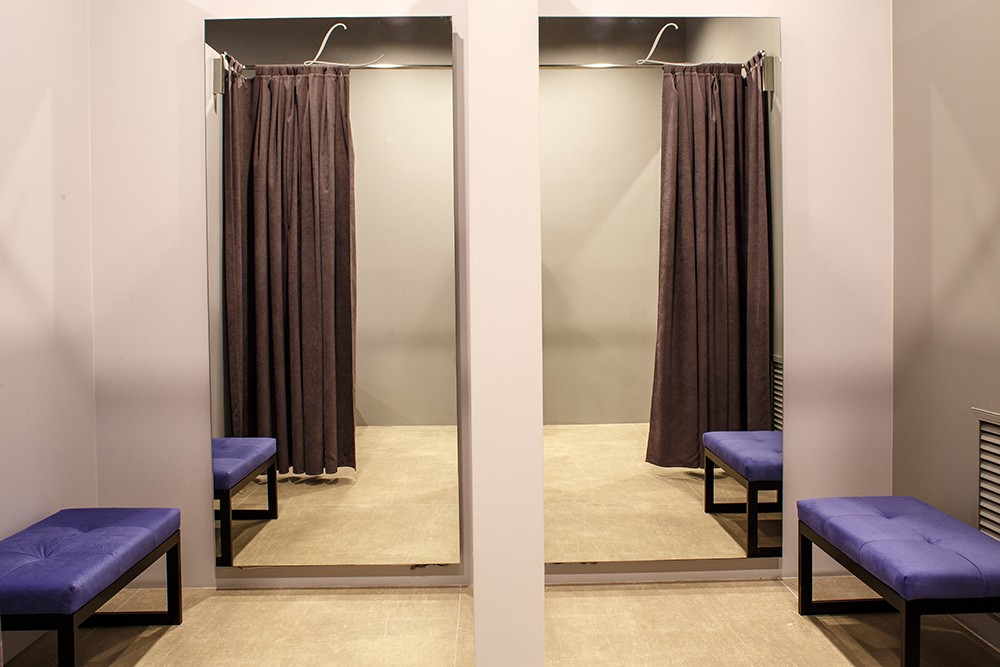
In the apparel sector layering is a notoriously common technique employed by thieves. It sees shoplifters enter the fitting room with multiple items and then wear the stolen items under their own clothes as they exit.

In some cases these thieves will actually remove EAS tags prior to leaving the fitting room, but in other instances they may be willing to take a chance.

Staff should be on the lookout for customers who appear bulky when they exit the change room, and simple procedures like counting products as patrons enter and exit should be employed.

Meanwhile EAS best-practice should be employed in conjunction with new technology like the ApparelGuard which offers state-of-the-art protection against layering and fitting room theft.  Installed in the change room, the Fitting Room Guard features sensors that alert staff when a tag is being tampered with.

Boosting

Boosting is a technique that sees purpose-made bags employed to conceal items and/or interfere with Electronic Article Surveillance. Improved EAS technology means boosting is far less effective than it used to be, however some thieves still try to circumvent the system.

Boosting is best combatted with an up-to-date EAS system and a clear bag check policy that allows security staff or sales associates to thoroughly check items as patrons exit.

When checking bags, staff should be on the lookout for possible hidden compartments, or lumps and bumps that could be products concealed out of sight.

The smash and grab

Of all the shoplifting techniques, this is the most brazen. The smash and grab sees bold thieves enter a store and quickly grab products within plain sight of staff and customers before running off.

High-value items or easily accessible displays are often the target of this type of theft.

The best way of combatting the smash and grab is to position high-value items away from the front of a retail outlet, or to employ higher security that sees products tethered to displays.

Meanwhile, CCTV can assist police in identifying thieves involved in a smash and grab after the event.

Some final tips

Effective loss prevention is a multi-pronged strategy that seeks to reduce theft at a number of levels. The best methods of combatting all shoplifting techniques include:

  • Staff training
  • Good store layout
  • EAS including hard tags or labels for individual product protection
  • CCTV for store monitoring
  • Customer greeters
  • Secure displays for high-value items

Should you need further advice about the right EAS solution to protect your merchandise, contact our friendly Security Tags staff here.

35 Years of the ink tag

35 years of the ink tag

This year marks the 35th anniversary of one of loss prevention’s biggest breakthroughs – the ink tag.

A small device with a fascinating history, the ink tag helped transform the way retailers approached theft prevention, introducing the concept of benefit denial to their arsenal of weaponry in the fight against theft.

So, let’s look at its development and uses.

A little history of the Ink Tag

As Robert L. DiLonardo recently explained in Loss Prevention Magazine, the ink tag was a product borne out of necessity.

It had its genesis in the early 1990s at a time when clothing retailers were looking to implement additional security measures in a bid to combat theft.

At that stage, EAS was common place, but in an age before the super tag and more recent improvements, thieves were finding ways to circumvent it.

“Loss prevention executives began clamoring for better item-level solutions. They were willing to try something radical. The ink tag was ‘it’,” Mr DiLonardo recalls.

Enter benefit denial

35 years in the Ink Tag

While EAS helped identify when an item was being stolen, retailers were hoping to make tagged items even less attractive to theft.

“The radical idea behind the ink tag is ‘benefit denial’—a term coined in 1992 by Read Hayes, PhD, the well-known retail security consultant,” Mr DiLonardo continues.

Benefit denial offers an additional security measure. It acts as a deterrent to theft because shoplifters understand that should they try to get around it illegally, the item they’re seeking to steal will be significantly damaged or even destroyed.

In other words, the strategy denies a shoplifter any benefit for their efforts.

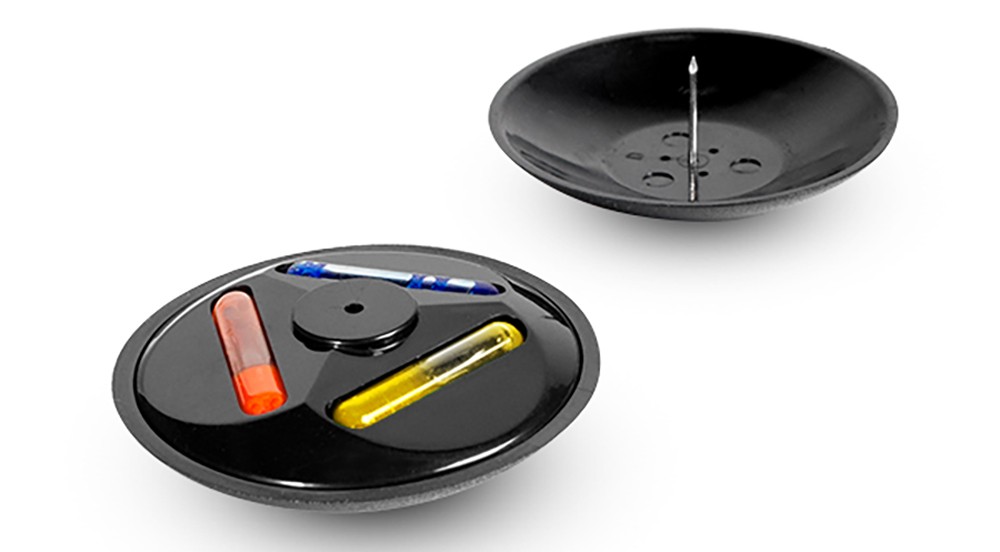
In the case of ink tags, the concept was designed to see permanent dye release into a product when a tag was tampered with.

An explosive beginning

Initial ink tags took much of their cue from similar benefit denial strategies used elsewhere, including the exploding dye pack often employed in bank robberies.

In fact, one of the very first ink tags in Europe heavily relied on this technology. The vials inside them didn’t just break when a tag was tampered with, they exploded.

Meanwhile, other manufacturers were tinkering with different solutions in an effort to make an ink tag that would appeal to US retailers.

The technology had several requirements: it needed to only rupture during illicit removal, and had to be easily manufactured, simple to affix and remove the Point of Sale, and be cost effective.

It took considerable experimentation, and a fair bit of refinement, but by the early ‘90s the technique many ink tags now use had been invented, and the tags began rolling out across the US.

Fast forward to now

In present day loss prevention ink still plays a vital role in thwarting theft. Although EAS technology and security tag strengths have significantly improved in the years since, ink is often used in conjunction with these EAS hard tags to further deter shoplifters from tampering with tags.

And yes, ink still serves as the most effective benefit denial strategy in apparel retail. When the vials of ink rupture due to forced removal, they release permanent ink into a garment that cannot be removed.

You can read more about Mr diLonardo’s personal account of history of the ink tag at Loss Prevention Magazine, or discover more about ink pinheads for your retail establishment here.

Top 10 retailers

Three US retailers in the global top 10

Three of America’s biggest shopping names have featured amongst the top 10 global retailers in an innovative report compiled by STORES magazine and Kantar Consulting.

The rankings took a fresh approach to comparing retailers in an attempt to overcome currency fluctuations and exchange rates while also embracing new forms of retail.

So, who exactly made the grade?

The report

Using an innovative ranking system, STORES Magazine focused on retailers with a direct investment in at least three countries, and saw each given points for international revenue, participation in franchising and alliances outside their local region, and their ability to sell via online marketplaces.

“The result is a fresh look at the 50 most international retailers based on their operations at the start of 2018,” STORES reflects. And the winner is…

Number 1 – Walmart

It comes as little surprise that Walmart features high on the list of global retailers, but what is interesting is that it far surpasses e-commerce giant Amazon.

STORES Magazine explains: “Even with points given for marketplace platforms and points reduced for domestic revenues, Walmart tops the international ranking, with more than twice as many points as its nearest rival”.

In cold, hard figures, Walmart’s international division reported consolidated revenue of $118 billion, global total revenues of $500 billion, and marketplace, franchise and alliance revenue of over $20 billion, derived from 6360 stores internationally in 2017.

Number 2 – Amazon

Amazon is often touted as the world’s largest retailer based on market capitalization, but in the STORES report the e-commerce giant falls into second place. In 2017 it had international consolidated revenue of $53 billion, global total revenues of $160 billion, marketplace, franchise and alliance revenue of over $200 billion, and seven stores internationally.

“In this ranking, Amazon comes in second and can close the gap with Walmart if it continues to deliver solid international growth and buy rivals as it did when it purchased Whole Foods Market,” STORES Magazine says.

Number 6 – Costco

STORES notes Costco is currently “quietly expanding into one country at a time”.

In 2017, the alternative mass grocery chain boasted international consolidated revenue of $35 billion, global total revenues of $120 billion, marketplace, franchise and alliance revenue of more than $750 billion and 100 stores internationally.

Top 10 retailers

Who else was in the top 10?

Although the US took out three positions in the top 10 global list including rankings one and two, there were an array of other international retailers featured throughout the list. Rounding out the top 10 were:

Number 3 – Alternative Mass grocery retailer Schwartz Group of Germany

  • International consolidated revenue – $63.51 billion
  • Global total revenues – $101.94 billion
  • Marketplace, franchise and alliance revenue – N/A
  • International stores – 7398

Number 4 – Mass grocery retailer Carrefour of France

  • International consolidated revenue – $48.66 billion
  • Global total revenues – $89.16 billion
  • Marketplace, franchise and alliance revenue – less than $10 billion
  • International stores – 6729

Number 5 – Mass grocery retailer Ahold Delhaize of the Netherlands

  • International consolidated revenue – $55.46 billion
  • Global total revenues – $70.92 billion
  • Marketplace, franchise and alliance revenue – Less than $10 billion
  • International stores – 4474

Number 7 – E-commerce retailer Alibaba of China

  • International consolidated revenue – $7.88 billion
  • Global total revenues – $39.94 billion
  • Marketplace, franchise and alliance revenue – Over $750 billion
  • International stores – 100

Number 8 – Alternative/mass grocer retailer Aldi of Germany

  • International consolidated revenue – $37.95 billion
  • Global total revenues – $84.98 billion
  • Marketplace, franchise and alliance revenue – N/A
  • International stores – 6509

Number 9 – Mass grocery retailer Auchan of France

  • International consolidated revenue – $41.62 billion
  • Global total revenues – $63.73 billion
  • Marketplace, franchise and alliance revenue – N/A
  • International stores – 1710

Number 10 – Mass grocery retailer Tesco of the UK

  • International consolidated revenue – $19.15 billion
  • global total revenues – $74.14 billion
  • Marketplace, franchise and alliance revenue – less than $10 billion
  • International stores – 3356

Other notable US mentions

Meanwhile, a host of other US retailers fell into the top 50, including:

STORES Magazine explained the rankings were designed to generate discussion, stimulate debate and allow for more in-depth exploration.

How to stop shoplifting in Fitting Room

How to stop shoplifting in the fitting room

For many apparel retailers the fitting room presents one of the biggest challenges in the battle against shoplifting.

Out of range of CCTV, private, and often busy, the fitting room offers an ideal venue for shoplifters to conceal items before removing them from the store.

So how do you guard against theft in this notoriously challenging area of any clothing store? Here are the top four tips to stop shoplifting in the fitting room.

The change room challenge

In the competitive world of fashion retail, the fitting room is a necessity. It offers consumers a private space to experience an item of clothing to see exactly how it looks and feels prior to purchase. But the very fact it is private makes this an area renowned for theft.

Each day, multiple consumers take multiple products in and out of the change room and they often have additional items like bags in tow. This offers a wealth of opportunity for thieves to employ common shoplifting techniques.

The good news is a combination of staffing, strategy and technology can drastically reduce potential thefts in the fitting room. Here’s how…

Meet and great

Well-trained staff are the first line of defense when it comes to preventing fitting room theft. Staff should be prominently positioned to meet and greet the customer, observing what goes in and what comes out, while limiting the number of items that are permitted in the change room.

These sales associates should also be trained to look for suspicious behaviour and be well-versed in the most common shoplifting techniques.

Common shoplifting techniques used in the fitting room include:

  • layering stolen items beneath the consumer’s own clothing
  • “boosting” using purpose-built bags that are designed to conceal items and interfere with older electronic article surveillance systems; and
  • price switching

In smaller stores where it’s not feasible to have dedicated change room greeters, the fitting room should be positioned near the counter, so staff can readily monitor who is going in and coming out, along with the items that a shopper has with them.

How to stop shoplifting in Fitting Rooms

Up to date EAS and security tags

Electronic Article Surveillance (EAS) plays a vital role in ensuring staff are alerted when a shoplifter attempts to leave the store with an item, but the key is to ensure tags cannot be removed in the change room.

In short, it is recommended apparel retailers opt for security tags with a minimum strength of SuperLock, use clam shell tags for tamper resistance where feasible, and look to features like large pin heads, which discourage forced removal.

You can learn more about selecting the right security tags here. Meanwhile, a key indicator your EAS security tags are not up to par is when staff find them detached from products and discarded in the change rooms.

Fitting room design 

The general design of a change room can also assist with preventing shoplifting. Although fitting rooms are by nature intended to be private, they should feel as though they have a level of visibility.

Top techniques for balancing the privacy of the fitting room with a sense of visibility include:

  • Positioning fitting rooms near high traffic areas
  • Using features like short doors (so feet can be seen)
  • Installing visible deterrents like signage, or prominent CCTV outside the change room entry

Fitting room technology

Purpose-designed technology like Apparel Guard is available to detect tag detachers within change-rooms, allowing staff to be alerted when a would-be thief attempts to remove EAS tags.

The system is RF and AM compatible and involves the simple installation of antenna and a controller that can cover a number of changerooms.

The final word

The fitting room is one area where the balance between loss prevention and customer experience is at its most challenging.

However, when retailers employ good design, great customer service and available technology, the shoplifting threat is greatly reduced.

The most commonly shoplifted items in America

The most commonly shoplifted items in America

Each year shoplifting in America costs US retailers billions, but if you think it’s the high-value, big-ticket items attracting all the attention, think again.

Shoplifters target all verticals of the retail sector, with the choice of product they take depending on its value, accessibility and the security used to protect it.

Here’s a quick rundown of the most commonly shoplifted items in America, and how retailers can help combat the risk.

Which retailers do shoplifters target?

It doesn’t matter if you’re a large retailer or small, if you have products that appeal and aren’t sufficiently protected, chances are your bottom line is impacted by retail theft.

That said, a recent Global Shrink Index noted fashion and accessory retailers are likely to be the hardest hit, with shrinkage accounting for 2.43 per cent of sales in 2018.

Meanwhile, most recent Global Retail Theft Barometer indicates products that are easy to steal and sell are most prone to theft.

So, let’s dive right in and look at the commonly stolen items in detail, based on their retail vertical.

1. Apparel and Fashion accessories

  • Footwear
  • Sports related clothing
  • Fashion accessories
  • Sunglasses
  • Jewelry

Best protection methods

Fashion Accessories Security Tags

Footwear – Footwear is secured using hard tags. In instances where the pinhead cannot pass through the product, cable tags or hard tags with lanyards are the most effective loss prevention method.

Clothing – Apparel is also secured using hard tags, with tags available to suit both AM and RF detection systems.

Fashion accessories – Depending on the type of fashion accessory and value involved, fashion accessories can be secured using hard tags, tags with cables, or security labels.

Sunglasses – These are best protected with purpose-designed optical tags forhigh-valuee merchandise, or with discreet security labels for cheaper makes.

Jewelry – In most cases, the best protection for high-value jewelry is locked cabinets. Low-value jewelry is generally secured with labels concealed in the packaging, or in some cases tags attached to the product information.

2. DIY/Home improvement

  • Power tools
  • Batteries
  • Outdoor plants
  • Screws and washers
  • Building supplies and timber/cables

Best protection methods

Power tools – These items have a high resale value and are best protected through locked display cabinets or tethered displays. Shelf items can be further protected using labels concealed within the packaging.

Batteries – Batteries have long been targeted by thieves. These are most often protected using stop locks or time delay locks, by being positioned behind the counter, or with labels.

Outdoor plants, screws and washers, building supplies – Like most products in the DIY sector, all these items are usually protected using labels affixed to the product with the barcode also incorporated.

3. Electronics

  • Mobile devices/accessories
  • iPad/Tablets
  • Movies and Music (DVD format)
  • Video Games
  • Laptops

Best protection methods

Mobile devices and accessories – These are protected differently depending on their value and the customer interaction required to make a sale.

Mobile phones, for example, are generally protected using tethered, secure displays and/or lockable cabinets. Meanwhile, lower value accessories like headphones, chargers or cables are generally protected using either stop locks, spider wraps or security labels.

iPads/Tablets and laptops – These high-value electronics are displayed using secure, tethered displays to encourage interaction, while the actual available stock is stored out the back of a retail outlet or in lockable cabinets.

Movies, Music and video games – The standard procedure is to secure these using security labels. In the case of a frequently targeted, highly valuable and popular items, extra security might be utilised such as clear, lockable boxes or spider wraps.

4. Food and beverages

Bottle Security Tags

  • Wines and spirits
  • Baby formula
  • Fresh meat
  • Cheese
  • Coffee

Best protection methods

Wine and SpiritsLiquor tags are specifically designed to protect high-value liquor from being consumed in-store and theft. Meanwhile, security labels are also widely employed for lower-value items.

Baby formula – In response to the high theft of infant formula over recent years, specific security products like wraps and grips are now available, while security labels are also widely employed.

Meat, cheese and coffee – These consumable items are generally protected using security labels.

5. Health and beauty

  • Perfumes and fragrances
  • Makeup products
  • OTC drugs
  • Razor Blades
  • Electric Toothbrushes

Best protection methods

Perfumes and fragrances – High-value perfumes and fragrances are often protected with lockable glass displays, while lower-value items benefit from security labels.

Makeup products and OTC drugs – These products are best protected with security labels of the AM variety, which are subject to less interference from the metallic packaging they may contain.

Razor blades and electric toothbrushes – Both these products can be protected using stop locks/ timer delay locks or by being stored behind the counter. Alternatively, security labels can also be employed.

Should you need further advice about the right EAS solution to protect your merchandise, contact our friendly Security Tags staff here.

Where is your retail loss prevention occurring

Where is your retail loss occurring?

Each year retailers take a major hit to their bottom line due to loss. It’s a problem costing the industry more than $123 billion globally, and an estimated 2.21 per cent of retail sales.

In the US, the National Retail Federation notes shrink cost retailers $46.8 billion in 2017 or 1.33 per cent of sales, and the trend has consistently risen in recent years.

Meanwhile, loss occurs on multiple levels – in the supply chain, behind the counter and due to shoplifting, which begs the question where is your loss occurring?

1. Shoplifting 

For American retailers, shoplifting (encompassing both common shoplifting and organised retail crime) remains the greatest contributor to retail loss, accounting for 35.7 per cent of retail shrink in 2018.

That figure is lower than in 2017 when shoplifting accounted for 36.5 per cent of all retail loss and significantly less than in 2016 when shoplifting equated to 39.4 per cent.

The National Retail Federation (NRF) explains the figure illustrates that shoplifting had surpassed employee theft as the leading cause of shrink for the fourth year in a row, yet encouragingly the figure continued to decrease.

And they note when it came to which vertical was likely to be targeted by shoplifters, the apparel sector had the highest incidence of thefts, with 43 per cent of their retail shrink attributed to shoplifters.

Top loss prevention strategy 

Electronic Article Surveillance using hard tags and security labels remains the most effective strategy to protect individual items against theft, particularly within the apparel sector.

This should be coupled with further store protection methods, such as staff training, dedicated loss prevention personnel, good store layout and lighting, and CCTV.

2. Employee theft

In 2018, employee theft was responsible for almost a third (33.2 per cent) of all retail loss in America.

That marked a significant increase on the year prior when internal theft bottomed out at 30 per cent but was a decrease on 2016 and 2015 when employee theft was responsible for 35.8 per cent and 34.5 per cent of loss respectively.

Top loss prevention strategy 

The best way of mitigating employee theft is via thorough employee screening and criminal checks.

This strategy can be coupled with advanced monitoring tools such as smart locks which give an insight into which employee accessed which cabinet or display when, POS analytics that show which employees were responsible for what transactions, and CCTV monitoring.

Where is your retail loss occurring

3. Administrative and paperwork error

The NRF explains administrative and paperwork errors dropped last year compared to 2017, but still showed an increase over time.

In 2018, administrative and paperwork error accounted for 18.8 per cent of all loss, down from 21.3 per cent in 2017. In 2016 and 2015, administrative and paperwork error resulted in 16.8 per cent and 16.5 per of losses respectively.

Best loss prevention strategy 

Administrative and paperwork error is a tough area to tackle, but the risk can be mitigated through automation. Tools such as RFID tagging can be of benefit, especially when applied at the point of manufacture, or when they’re used to prompt the automatic reordering of products.

4. Vendor fraud or error

Vendor fraud or error has risen over the past three years but still remains lower than the 6.8 per cent high of 2015. In 2018 it contributed to 5.8 per cent of loss, while in 2017 it was responsible for 5.4 per cent, and in 2016 accounted for 4.8 per cent.

Best loss prevention strategy 

Diligence in reconciling orders and counting stock on delivery are the best ways to identify and combat vendor fraud or error. RFID source tagging can also be of huge assistance, with a recent study illustrating RFID can offer supply chain accuracy of 99.9 per cent.

5. Unknown loss 

In 2018, 6.6 per cent of all retail loss was simply a mystery. Fortunately, this was a decline in 2017 when 6.8 per cent of stock simply vanished and in 2016 when 7.2 per cent of stock just disappeared. But it still marked an increase in 2015, when only 6.1 per cent of shrink was attributed to unknown loss.

Best loss prevention strategy 

Analytics, data and metrics are the best ways to ascertain where mystery loss is occurring in any retail outlet. You can read more about how these metrics can be used to predict and identify loss here.

Theft Protection

Striking the theft protection balance

Managing loss prevention is an eternal balancing act. On the one hand the security of items is front of mind for any retail manager looking to minimize loss and maximize profit. But on the other, the customer experience also needs to be considered to ensure products are appealing and the store environment welcoming.

The good news is there are Electronic Article Surveillance solutions designed for every product imaginable and every retail outlet.

Here’s an insight into striking the right balance when it comes to theft protection.

Anti-theft underkill

Anti-theft underkill is an easily identifiable problem where security is insufficient, leaving products prone to theft.

In some cases, retailers may have security measures in place, but they are not specific enough to protect at a product-based level or the techniques shoplifters use have evolved, and the security method is now insufficient.

Signs of underkill include:

  • High stock losses throughout a retail outlet
  • High losses of a specific product
  • Security tags being found on the floor (indicating thieves have found a way around them)

Dealing with underkill

Managing stock loss involves understanding what products are likely to be targeted and using the most effective strategy to protect them.

It also means retailers need to view their entire outlet critically, considering its layout, its lighting, staff training, product displays, and the protection methods used.

For example, Electronic Article Surveillance remains the most effective methods of protecting individual items against theft, but in the US only 68 per cent of retailers employ EAS, compared to 73 per cent of retailers globally.

When retailers do employ EAS they need to be mindful of the elements that can impact its effectiveness. For example the magnetic strength of the security tag needs to be a minimum of SuperLock strength to thwart attempts at theft, while other factors like the tag type, and the size of the pinhead can also impact how easy it is to remove a tag.

Anti-theft overkill

Theft Protection

Anti-theft overkill occurs when the method used to protect an item is either disproportionate to its value or is so obtrusive that it deters customers from interacting with the product prior to buying. And the upshot is, it can have a negative impact on overall sales.

Anti-theft overkill can:

  • Affect the image of your brand and store
  • Deter customers from buying or trying your product
  • Negatively impact the relationship with your consumer

It’s a balance

There are several factors to consider when working out what strategy is right for your products. These include:

  • The value of the item
  • The volume of sales
  • How customers need to experience that product to encourage sales
  • The item’s likelihood of theft
  • Its positioning in your store

When you have determined these factors, then choosing the right solution is simplified.

EAS solutions to suit

As mentioned earlier, Electronic Article Surveillance is regarded as one of the most efficient and effective methods of protecting individual products against theft and can reduce loss in a retail outlet  by up to 80 per cent.

However, implementing it effectively, also involves using the right tag or label for the right product. Since its inception in the 1960s, EAS tags and labels have evolved to offer the perfectly balanced solution for almost any product.

As a general guide:

  • RF labels are used for high-volume low value stock with a low foil content in their packaging. They are the ideal solution when a flat printable label is required and are suited to books, videos, non-perishable groceries and general discount items.
  • AM labels offer a slightly raised profile, but the technology provides major benefits when it comes to protecting metallic goods. AM labels are well-suited to the protection of merchandise with a high metal/foil such as consumer electronics, cosmetics, hardware and pharmaceuticals.
  • RF and AM security tags are suited to fashion apparel or high-value soft furnishings like cushions. Whether you utilize RF or AM depends on the type of antenna that is installed in store.
  • Security Tags with cables or lanyards tend to be used for fashion accessories such as handbags and shoes. They allow a tag to be securely fixed to a product without the pin needing to pass through it.
  • Spider wraps with tags suit products such as electronic accessories, or high value items that are boxed.
  • Bottle tags are the perfect solution for preventing high-value theft in liquor stores.
  • Optical tags are designed to protect eyewear while still allowing consumer to experience the product and see how it looks when worn.

Ultimately, that may mean a variety retailer or department store might employ different tag and label types in store to protect the varying styles of merchandise. Meanwhile, they may also use other loss prevention methods as well to further reduce the likelihood of theft.

When used effectively, EAS tags and labels are designed to perfectly tread the fine line between the customer experience and minimising theft.

You can contact our friendly Security Tags staff for further information about the right tag and label solutions for your products.