US retail sales rebound

US retail sales rebound

US retail sales have recorded their strongest monthly surge ever, jumping 17.7 per cent in May, according to statistics.

The news comes as retailers progressively reopen across the country to a vastly changed operating environment where online is the norm, cashless is gaining popularity and sanitization remains a major focus.

Here’s the rundown on what’s happening in retail right now…

May surge

After plummeting 14.7 per cent in April to $412.6 billion, retail sales rebounded strongly in May by 17.7 per cent. The record surge saw sales hit $485.5 million but according to the US Census Bureau are still 6.1 per cent on May 2019.

Discussing the improved figures on CNBC, National Retail Federation CEO Matthew Shay noted it was “incredibly encouraging news”.

“I think it’s consistent with what we heard CEOs, retail executives and other retail leaders saying about the end of April that they saw momentum that just continued, and so there was significant pent up demand,” he said.

“All the work in the Cares Act I think provided the jolt that we needed, and retailers have been adapting to serve their customers in new and different ways.”

Ms Shay went on to note major retailers had enjoyed particularly strong performance, but the big question revolved around small, independent, and mid-sized players.

“Can we get the rest of the economy moving quickly enough that we can bring the small businesses along? Because they’re the ones who don’t have the same resource capabilities, and the same supplier relationships. They get hit harder and they get hit first, so we need to bring them back quickly.”

Online impetus

Online retail was one area recording record growth, with e-commerce enjoying 77.7 per cent year-on-year growth in May, according to Adobe’s 2020 Digital Economy Index.

The report found US consumers had shifted a significant part of their shopping online since the beginning of the pandemic, resulting in an additional $52 billion online spend.

Adobe noted:

  • The $52 billion equated to more than a third of the 2019 holiday season in additional spend.
  • E-commerce shopping levels are tracking at above holiday (Nov-Dec) levels.
  • May generated $82.5 billion in online spend, up 77.8% YoY

Cashless trend
US retail sales rebounds

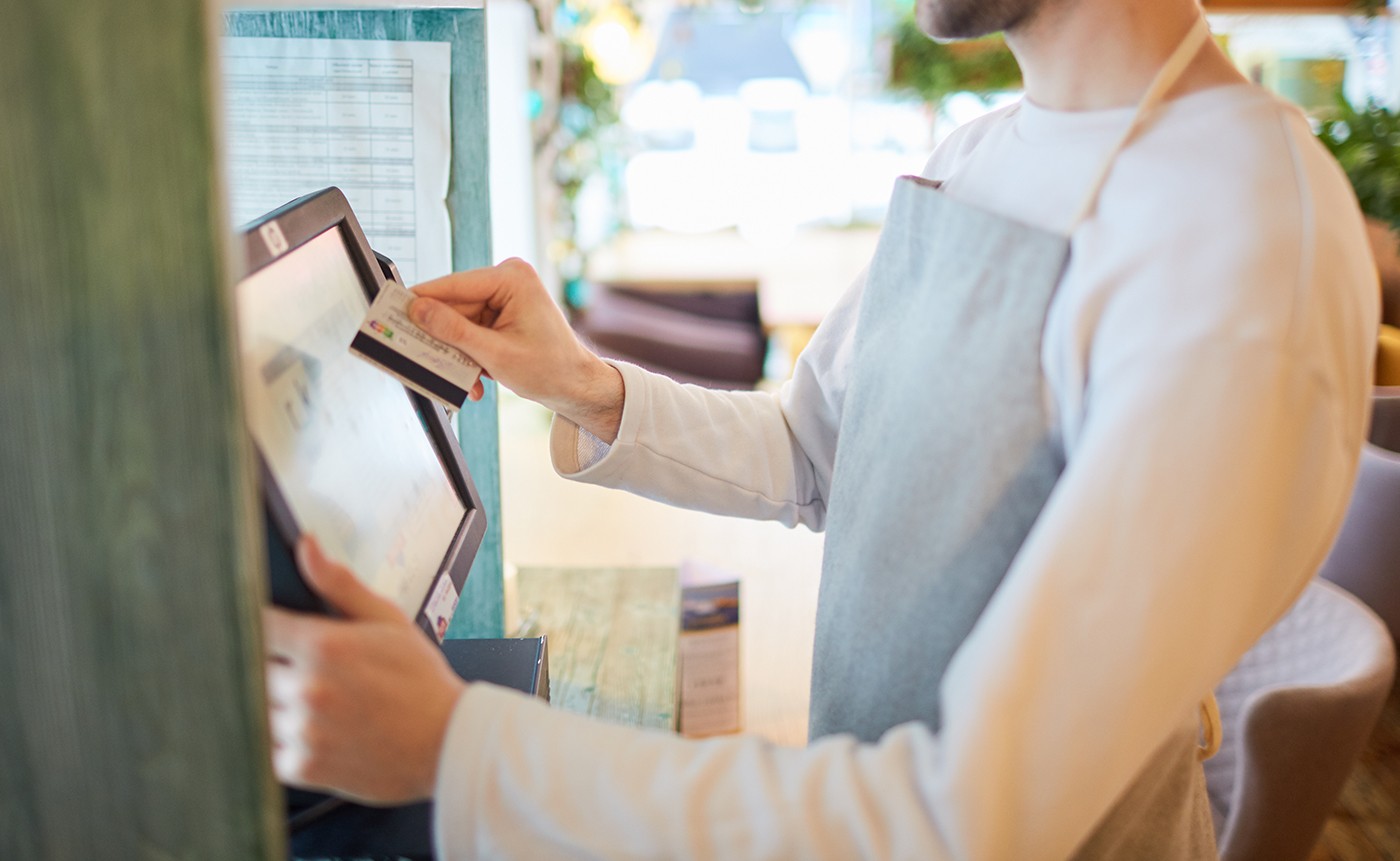
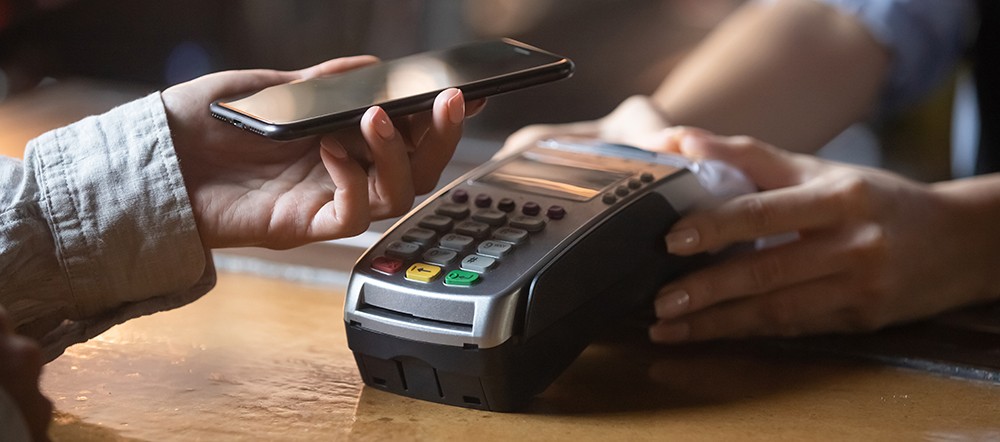
Although behind global adoption rates, cashless purchasing in the US was steadily increasing long before Covid-19 made its presence felt. Since the pandemic began it has taken on a new momentum as consumers turn to the perceived safety of ‘tap to pay’.

Visa has reported tap to pay transactions in everyday segments like grocery and pharmacy have grown more than 100 per cent year over year. But between March 2019 and March 2020 the payment method skyrocketed 150 per cent.

“31 million Americans tapped a Visa contactless card or digital wallet in March 2020, up from 25 million in November, with overall contactless usage in the US growing 150 per cent since March 2019,” they said.

“The US now has the most contactless cards of any market globally at 175 million, with nine of the top 10 US issuers actively rolling out new contactless cards to customers.”

So, what’s the takeaway?

It’s clear both retail and the consumer they cater to are changing. It’s equally clear many retailers are prepared to meet the challenges ahead with fresh strategies that embrace an altered landscape.

Online retail and cashless uptake appear here to stay, but when retail offers this convenience, US consumers still seem more than willing to spend.

The key for major and middle-tier retailers alike will be protecting their bottom line to ensure they can continue to adapt and seize every income opportunity over the months ahead.

You can read more about loss prevention strategies to improve your bottom line here.
EAS security labels

When to choose EAS security labels

Security tags and labels offer a host of benefits in the fight against shoplifting and theft.

As part of the loss prevention strategy that is Electronic Article Surveillance, tags and labels are employed by 80.9 per cent of US retailers resulting in an estimated 60-80 per cent decrease in external theft.

But how do you know which option is right for you? When is a tag required to safeguard a product and when is an adhesive security label enough?

The difference

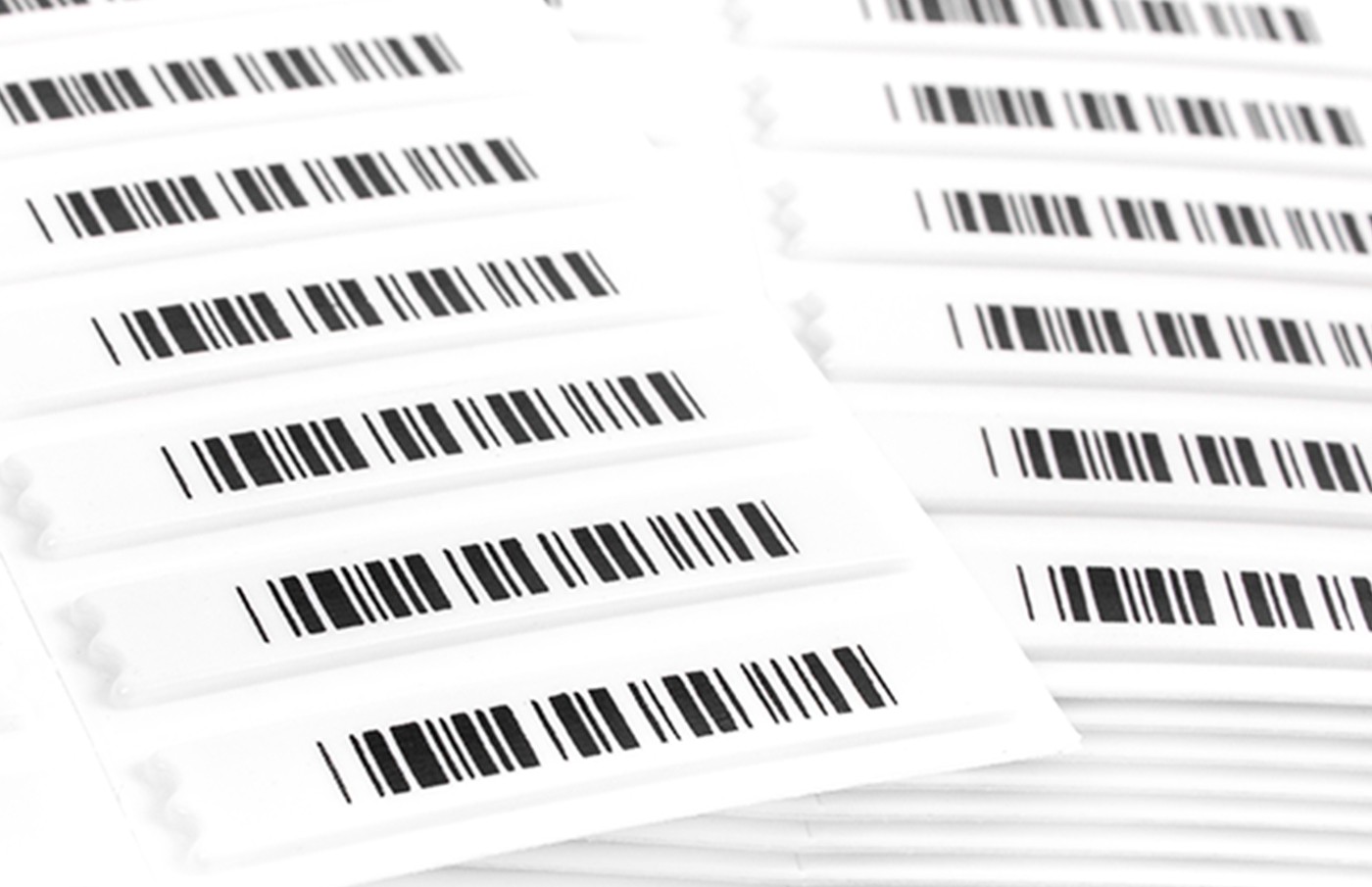
Both EAS tags and EAS security labels work on the same premise; a receiver is housed within the tag or label and it remains in communication with an antenna at the entrance to a store.

When that tag or label comes into proximity of that antenna (usually within a distance of about 3-feet) it causes an alarm to sound, alerting retail staff a theft is taking place.

While tags are visually obvious, labels tend to be more discreet and they also lend themselves to a range of different products including high-volume goods.

That’s partly because labels are deactivated very differently to tags, which are detached. When a label passes over a deactivator located at the Point of Sale, the transmitter circuit is broken and the item no longer sounds an alarm.

Meanwhile, labels are highly affordable and single-use only, while tags are reused.

Here’s a quick retail guide on when to choose security labels…

When the product is high-volume

As labels are deactivated rather than detached, they are ideally suited to high-volume items such a non-perishable groceries or packaged produce like meat.

The label ensures the product remains protected but it can be deactivated as part of the scanning process at the checkout.

EAS Security labels

When the products is low-value but prone to theft

As labels are deactivated rather than detached, they are ideally suited to high-volume items such a non-perishable groceries or packaged produce like meat.

The label ensures the product remains protected but it can be deactivated as part of the scanning process at the checkout.

When the product isn’t suited to a tag

Security tags come in a range of shapes and sizes and also feature different ways that they can be affixed to a product. For example, there are tags suited specifically to liquor bottles and tags designed for high-value eyewear, while cables and lanyards also enable tags to be affixed to merchandise like handbags and shoes.

However, sometimes it just isn’t feasible to employ tags or the shape and packaging of the product doesn’t allow for it.

This is where labels come into play. Used to protect items like games, electronic accessories, perfumes, books and CDs, labels provide streamlined, discreet protection.

Importantly, labels can also be affixed at the point of manufacture, or secreted within the product or its packaging, which helps eliminate the chance of removal.

Things to consider

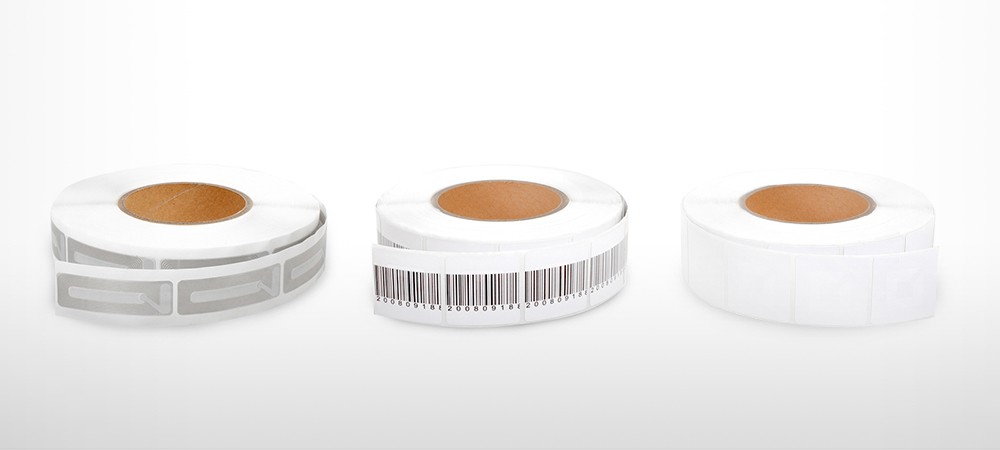
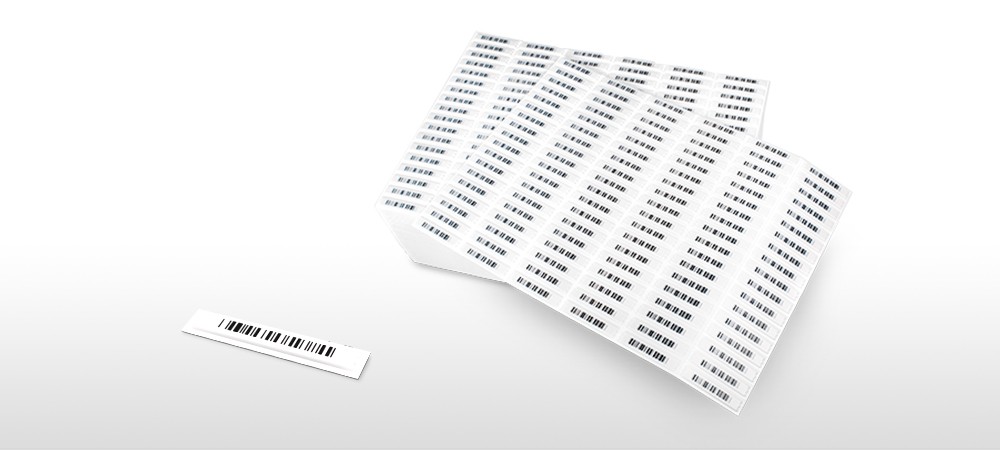
Security labels are available to suit either RF or AM electronic article surveillance systems, but there are slight differences in the shape and profile of the labels used for each system, along with the types of products they suit best.

RF labels

RF securityl abels

RF labels are flat and are even available as a paper label that can be printed on.

Supermarkets, discount stores, and video stores often favour RF systems, but caution should be applied when using for RF labels with metallic or foil products or packaging due to tag detuning and reduced detection.

RF labels are commonly found in:

  • Grocery stores
  • Video stores
  • Book stores
  • Discount stores

Security labels are available to suit either RF or AM electronic article surveillance systems, but there are slight differences in the shape and profile of the labels used for each system, along with the types of products they suit best.

AM labels

AM security lables

AM labels offer a slightly raised profile, but the technology provides major benefits when it comes to protecting metallic goods.

AM labels are well-suited to the protection of merchandise with a high metal/foil content such as consumer electronics, cosmetics, hardware and pharmaceuticals.

AM labels are commonly found in:

  • Drug stores
  • Cosmetic stores
  • Electronics retailers
  • Hardware outlets

You can learn more about security labels here, or head straight to our security labels product page where you can place your order directly.

Employee theft header

Employee theft expected to rise post Covid-19

Experts have widely tipped that retailers can expect a rise in shoplifting as the sector attempts to rebound from Covid-19. Now, they further predict employee theft may also see a spike, as staff grapple with tough economic conditions and the retail industry focusses on getting back to business.

So how can you safeguard your store against malevolent acts by your own employees?

A little context

After both the Global Financial Crisis and September 11, retail crime in the US increased. That was largely due to tough economic conditions and lower employment rates, which saw some people turn to crimes of opportunity in order to make a little cash on the side.

Loss Prevention Magazine previously noted shoplifting and Organized Retail Crime were among the areas likely to see a spike. Now they also predict retailers may additionally have to deal with greater instances of employee theft.

They note that’s due to several factors, including:

  • Staff hours being cut
  • A reduced retail focus on loss prevention and fraud controls
  • Staff feeling owed for their contribution

“After the financial crisis in 2009, most businesses reported that employee theft increased—in both number of incidents and amount per incident—compared to the year prior to the recession, according to a survey by the Association of Certified Fraud Examiners (ACFE),” LP Magazine reports.

“In one typical case, four employees of a home improvement retailer were caught conspiring to defraud the company in a vendor kickback scheme. In a weakened economy, the threat of fraud rises, ACFE analysts concluded, and ‘employees pose the greatest fraud threat’.”

Strategies to reduce the risk

Strategies to mitigate employee theft include zero tolerance of theft events, staff education, proper employee screening and loss prevention measures within a business.

Zero tolerance

Between staff layoffs, Covid-19 social distancing and a push to see retail gear up after the pandemic, staff may get the sense a retailer’s eye is not quite so firmly focussed on loss prevention and employee theft.

Now’s the time to educate and illustrate that’s absolutely not the case, ensuring staff members are aware:

  • There are checks and balances in place
  • Theft is everyone’s problem, affecting the viability and profitability of a retailer, and therefore job opportunities
  • Instances of theft will be pursued and prosecuted where necessary

Staff education and screening

Proper employee screening goes a long way to reducing the likelihood of employee theft. All employers should ensure new staff members are effectively vetted and screened by conducting interviews, checking them on the internet and contacting previous employers along with referees.

Meanwhile, ongoing education and the culture of an organisation also play a role. Staff should be educated with clear policies and procedures on day to day operations.

In doing so, retailers should foster a positive working environment where employees are treated fairly and with respect to ensure there are fewer or no incidents of stealing out of revenge.

Monitoring

Employee theft 2

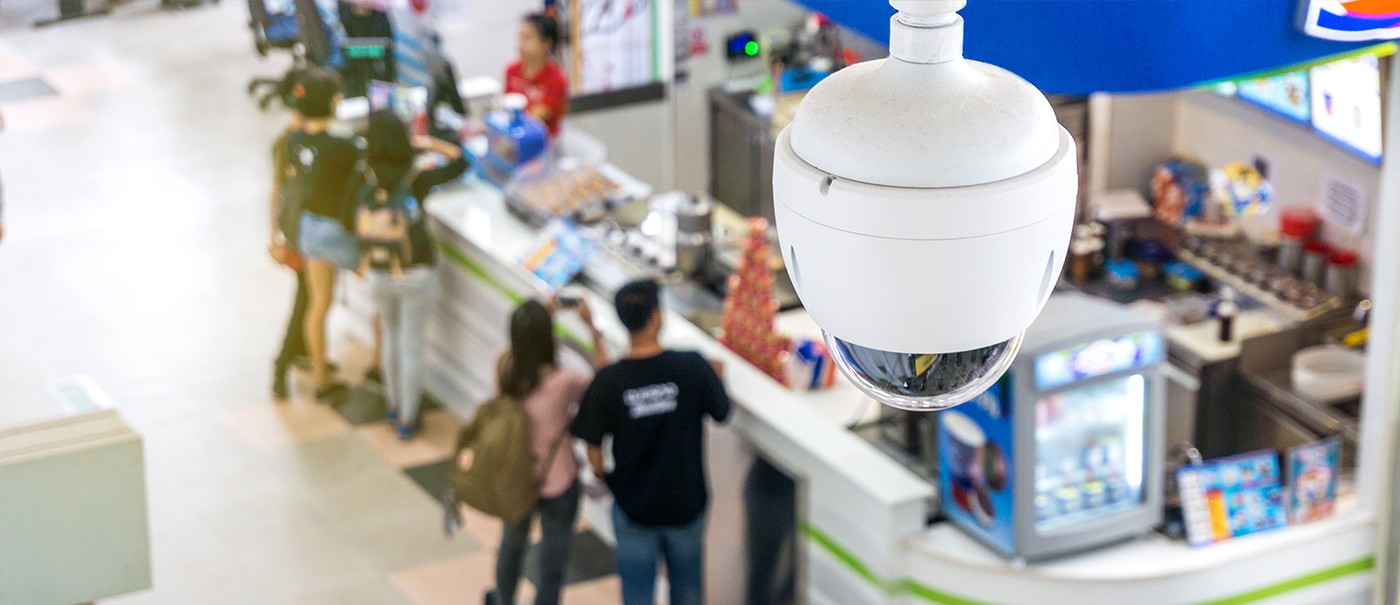
Whether it’s CCTV, the reporting features on the mobile Point of Sale, or general supervision of staff by management, monitoring plays a key role in reducing employee theft.

Monitoring all levels of a store ensures management is aware of gaps in staff knowledge, customer service improvements that can be made and potential security threats which might make a retailer more prone to employee theft.

Technology

Whether it’s CCTV, the reporting features on the mobile Point of Sale, or general supervision of staff by management, monitoring plays a key role in reducing employee theft.

Monitoring all levels of a store ensures management is aware of gaps in staff knowledge, customer service improvements that can be made and potential security threats which might make a retailer more prone to employee theft.

The final word

After the huge financial impact of Covid-19, many retailers will be looking to get back to business as quickly and effectively as possible.

To do so, they’ll need their staff to come along for the ride, while also ensuring those valued staff aren’t a threat to a retail resurgence.

You can view our range of security tags and labels which are designed to minimise both shoplifting and employee theft here.

Retail Security

20 quick tips to improve retail security

With shoplifting expected to increase in the wake of Covid-19 and stores recently subject to further threats as part of widespread protests in the US, retailers are focussing their attention on improved security in-store.

So, let’s get back to basics with 20 quick tips to improve retail security…

Know your loss

To understand where your security is lacking you need to know exactly what items are being targeted and how they’re being taken. That means you should have a comprehensive grasp on your inventory levels to identify the volume and type of items stolen.

Know your times

Certain times of the year may be more prone to shoplifting, along with specific times of the day. Know when shoplifting is likely to occur so you can address it with extra staff or additional security measures.

Retail Security

Avoid profiling

You cannot pick a shoplifter based on race, gender or socio-economics. Statistics consistently indicate shoplifters come from all walks of life.

Understand suspicious behaviour

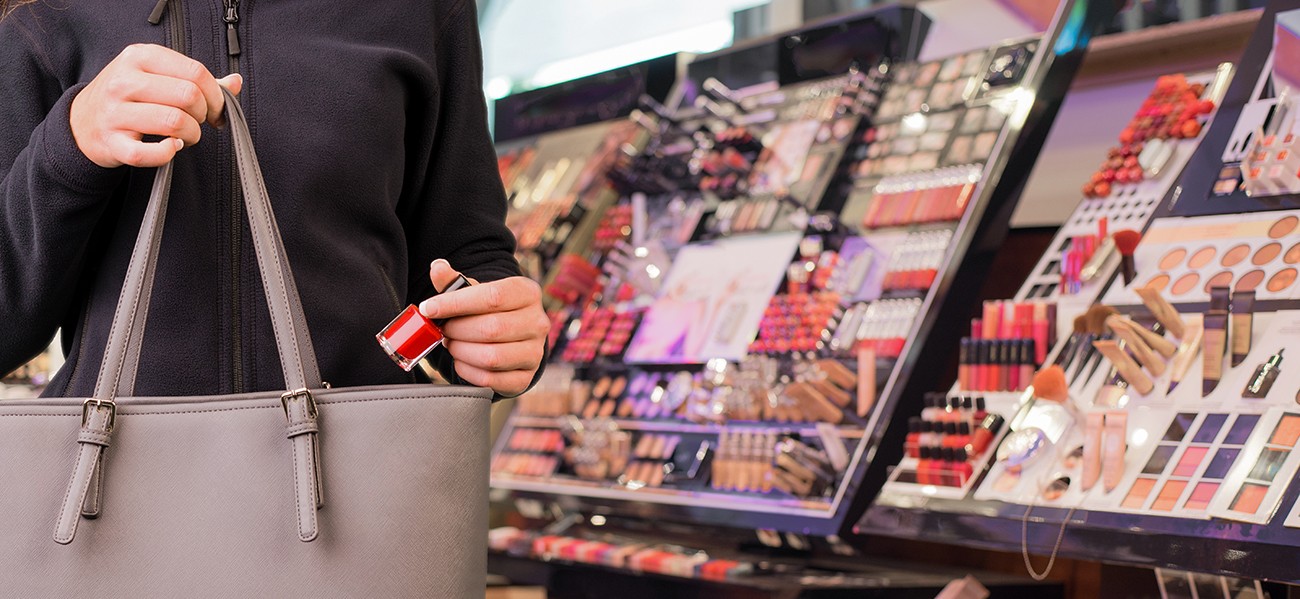
While appearance may not indicate shoplifting, suspicious behaviour can. Watch for behavioural indicators like loitering, failing to make eye contact, carrying excess baggage and bulky clothing.

Build good relationships

Good relationships with both your staff and employees can serve to minimise both shoplifting and employee theft.

Retail Security

Sufficient staff

Ensuring your retail outlet has sufficient staff helps protect against a range of criminal behaviour including shoplifting. Adequate staff numbers ensure team members aren’t too busy to watch and assist customers.

Meet and greet

The simple act of meeting and greeting customers significantly reduces the threat of retail crime. Why? Because patrons are immediately made aware that staff are paying attention.

Employ multiple strategies

There’s no one single solution to shop security. Instead it involves multiple layers that span both product-based protection and storewide surveillance.

Retail Security

Invest in EAS

Electronic Article Surveillance (EAS) involves security tags or labels that protect items at a product-based level. It’s widely regarded as one of the best ways to prevent the theft of individual items.

Employ CCTV

While EAS protects individual products, CCTV can monitor the whole store or specific areas like the checkout. Its obvious presence helps reduce the potential for crime and can also identify perpetrators later.

Position your checkout near the entrance

Checkouts near the entrance of a store help staff keep a watchful eye on who’s going in and coming out.

Retail Security

Keep things neat

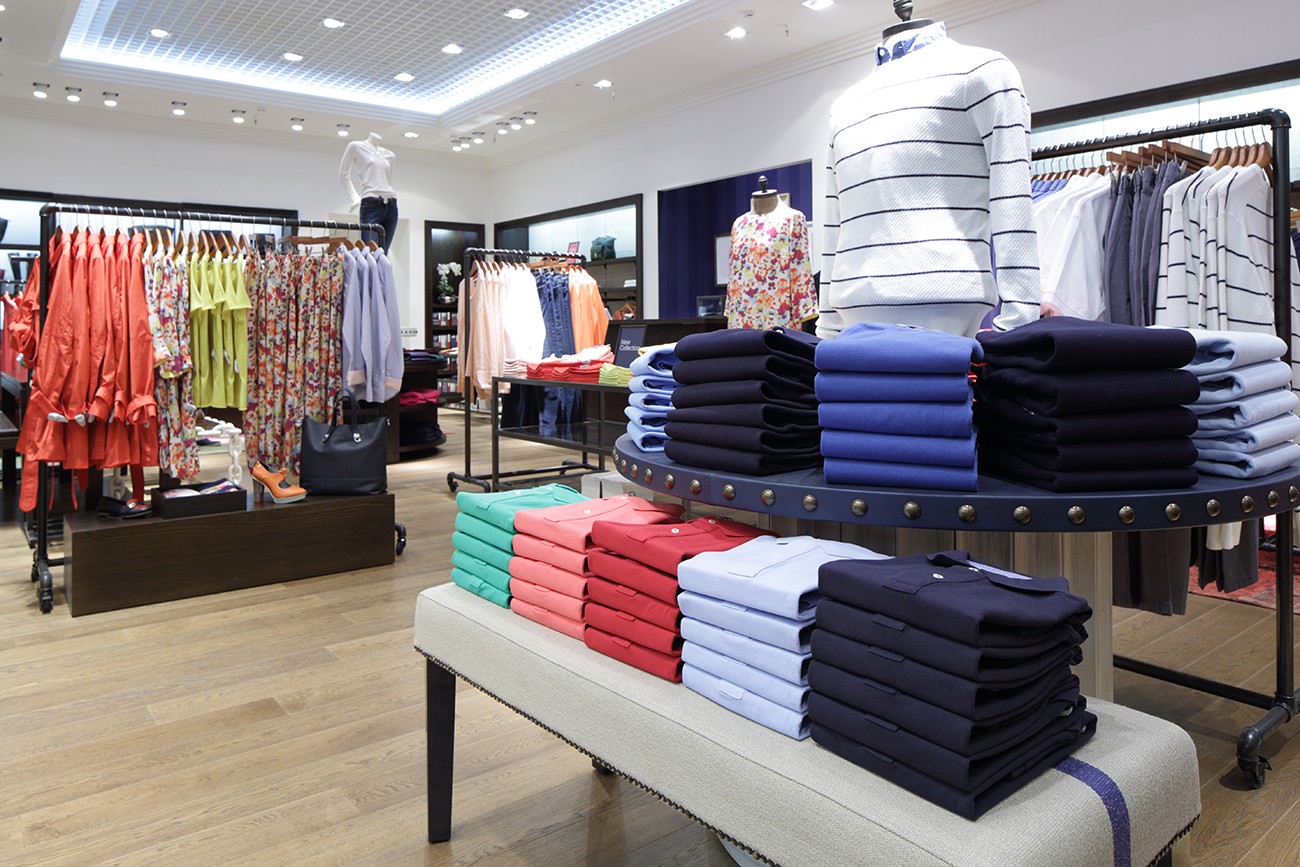
A tidy retail outlet makes It harder for shoplifters to conceal items and also makes it more apparent when items go missing.

Run a tight ship

Between good security strategies and well-considered store policies, a well-run retail outlet is much harder to steal from. That’s because a well-run operation considers the worst-case scenario when planning for the best outcome.

Watch the dressing room

Out of sight and private, the dressing room is a prime area for retail theft. Ensure it is in view of the checkout, or a staff member is in attendance. Alternatively, Electronic Article Surveillance tools like ApparelGuard can also assist.

Retail Security

Invest in good lighting

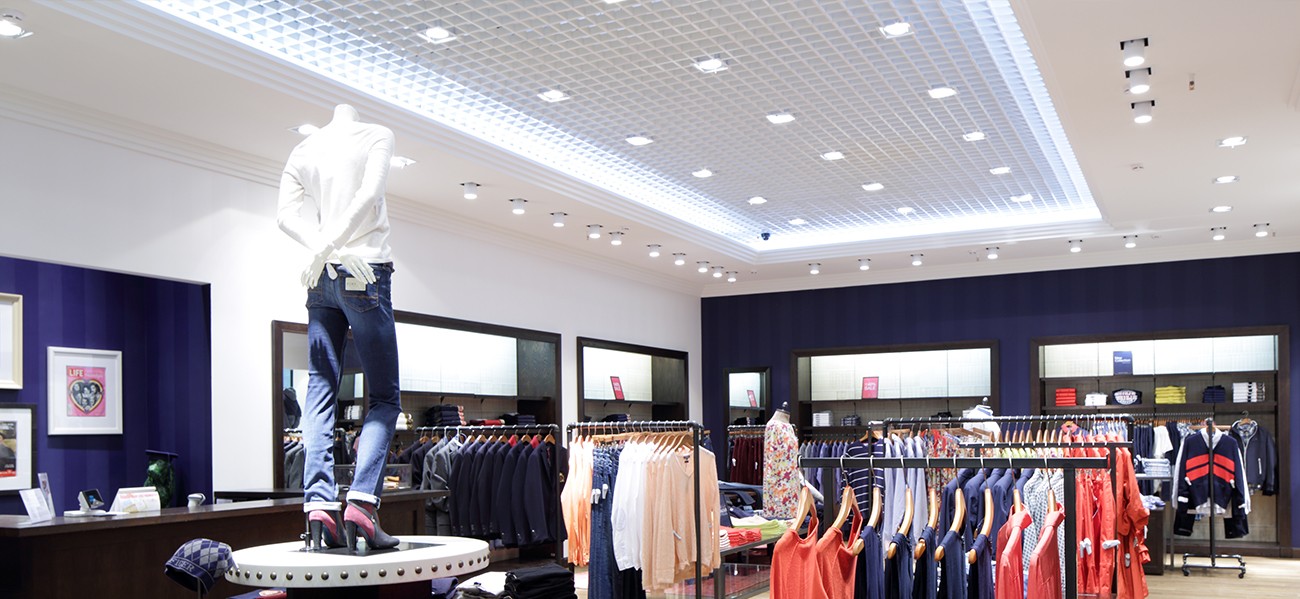
Good lighting not only makes a retail outlet feel safe and welcoming, it also eliminates dark areas where criminal activity can occur.

Watch refunds and returns

Fraudulent refunds and returns are a major area of loss for many retailers. That’s why the best policy is to always insist on a receipt for any refund or return transaction.

Observe the register

The register is a prime target for all sorts of crime, including employee theft, fraudulent returns, and even the snatch and grab. Ensure the register is monitored by a senior staff member and CCTV, and staff have individual log-ins to track what happens on their watch.

Retail Security

Put up signage

In some cases, simple signage is enough to deter people from committing a crime. This signage might indicate CCTV is being used, or warn that shoplifters will be prosecuted.

Choose staff wisely

Your staff can be your best asset or a retail outlet’s greatest weakness. Ensure you hire wisely when it comes to attitude, previous experience, and personal references.

Review and revise

Retail security is a long game, with a playing field that frequently shifts courtesy of criminals who constantly think of new ways to target a store. The key takeaway here is that security needs to be revised and reviewed on a regular basis, because what worked five years ago or even last year may no longer suffice.

For more advice on Electronic Article Surveillance, see our resources for selecting the right security tag here, and the different types of labels available here.