Black Friday to kick off a very different holiday season

Black Friday to kick off a very different holiday season

With less than a month until Black Friday, this year’s holiday retail landscape is looking decidedly different to years gone by.

Already, numerous bricks and mortar retailers have indicated they will be extending and shifting many of their major sales online, while customers are noting they will commence their holiday shopping earlier this year.

So, let’s look at what’s unfolding for the holiday season ahead, including the trends that will remain long after 2020.

Holiday spending

This year the National Retail Federation tips holiday spending will be down marginally on last year, with consumers choosing to focus their attention on gifts for family and friends, rather than non-essential items for themselves.

The NRF survey revealed on average consumers intend to spend $997.79 on gifts, holiday items such as decorations and food, and additional “non-gift” purchases for themselves and their families.

This is a decrease of about $50 on 2019, but interestingly the areas where consumers are tightening the purse strings are quite specific.

“…nearly all ($45) of the decrease comes from consumers’ hesitation to use seasonal sales and promotions to buy other, non-gift purchases for themselves and their families,” the NRF stated.

“Even still, consumer spending on gifts is on par with last year, decreasing by only about $8, while per-person spending on other holiday items like decorations is actually up slightly.”

Meanwhile, most consumers intend to start their holiday shopping earlier this year, with 42 per cent indicating they plan to commence their holiday shopping by the end of October and another 41 per cent in November.

Retail response
Retail response

Black Friday on November 27 is traditionally the first and largest sales event on the holiday calendar, and already it’s shaping up quite differently, with retailers altering their standard strategy in a bid to counter Covid-19.

Major retailer Walmart is among the stores leading the charge, extending its sales period and transferring much of it online.

Walmart’s approach will see shoppers offered three opportunities to secure deals in the lead-up to Black Friday, rather than one major in-store event.

The retailer has also announced it plans to stay closed this Thanksgiving, and retailers like Macy’s, Target, Best Buy and Dick’s Sporting Goods have also followed suit.

Announcing the shift, Walmart US executive vice president and chief merchandising officer Scott McCall told USA TODAY that more online offers makes for a “safer and more convenient way to shop” and helped manage in-store traffic.

Meanwhile, Lowes is also kicking off its sales earlier, with online daily deals from October 22 – December 2 as part of its “Season of Savings” campaign.

“When it comes to going into the physical stores, we are not going to create a situation where there is a time sensitivity that would create crowd situations,” Marisa Thalberg, Lowe’s executive vice president, chief brand and marketing officer, told USA TODAY. “That is irresponsible in our current environment.”

The shift to an elongated sales period by these retailers also reflects both NRF and other research which indicates consumers are shying away from the idea of waiting for a specific sale.

Affirm Research recently polled 2000 Americans, with 7 in 10 respondents said they’re more likely to buy something on sale now, rather than waiting for the traditional Black Friday or Cyber Monday sales.

A precursor of things to come

Retailer’s Black Friday strategy is the culmination of a year when retail has been forced to pivot and adapt at rapid speed under unprecedented pressure.

And many of the trends we will see across this holiday period will likely persist into the future.

Mashable recently outlined their hit predictions for the 2020 Black Friday trends which will become the norm in years to come, noting curbside pickup, a prolonged sales period, and increased online shopping were among them.

They further predicted in the coming years the following shifts would also become mainstream:

  • A lottery system – Which sees consumers win an opportunity to shop in-store along with a select crowd of others.
  • QR Codes – Which allow shoppers to scan deals and product information from catalogues or websites on their mobile phone.
  • Virtual reality – To offer a retail experience like customers would enjoy in-store, but rather they participate from the comfort of their own home.
  • Voice-activated shopping – Where Siri, Alexa or Google Assistant would be utilized to search for Black Friday deals via voice command.
  • Cashierless retail – Amazon has pioneered this with their cart which recognizes what you put in and take out and then charges customers as they leave a store. That trend is predicted to increase as more retailers embrace the cashierless world.

You can read more about the retail holiday season here, or see our guide for preparing your store for the busy period ahead.

The retail state of play

The retail state of play

Despite a tough year, the latest data indicates the US retail sector overall has just enjoyed its fourth straight month of year-on-year gains, with the apparel sector leading the charge in September.

The news comes after a barrage of doom and gloom headlines, and as retailers ready for a holiday season like no other.

So, what’s really going on in retail, and what does it mean for the coming months? Let’s take a quick look at the current retail state of play.

Sales figures

According to data from the US Census Bureau retail sales have been steadily rebounding both month-over-month and year-over-year since June after record declines in spring courtesy of the COVID-19 pandemic.

In May, sales returned to month-on-month growth, making a jump of 18.2 per cent but remained below sales the year prior.

In June, sales returned to modest year-on-year growth of 1.1 per cent and month-on-month growth of 7.5 per cent.

July and August saw the growth trend continue, with July’s figures indicating month-on-month increases of 1.2 per cent and year-on-year growth of 2.7 per cent, while August sales grew a further 0.6 per cent on July and 2.6 per cent year-on-year.

Now, the most recent data indicates September sales figures have spiked 1.9 per cent compared to August and are 5.4 per cent higher than last year.

Noting the impressive September gains, National Retail Federation (NRF) president Matthew Shay said consumers were continuing to prove their resilience and strength despite a challenging year.

“Retailers and consumers are adapting to the current environment, embracing shopping in different ways and focusing on specific categories,” Mr Shay reflected.

Some sectors better than others

A breakdown of the statistics by the NRF indicates some sectors are performing better than others, with apparel leading the charge when it came to month-on-month gains in September.

Some sectors better than others

The NRF noted in September:

  • Clothing and clothing accessory stores were up 11 per cent month-over-month seasonally adjusted but down 12 per cent unadjusted year-over-year.
  • Sporting goods stores were up 5.7 per cent month-over-month seasonally adjusted and up 18.3 per cent unadjusted year-over-year.
  • General merchandise stores were up 1.8 per cent month-over-month seasonally adjusted and up 4.1 per cent unadjusted year-over-year. Department stores, a subset of the category, were up 9.7 per cent month-over-month.
  • Health and personal care stores were up 1.7 per cent month-over-month seasonally adjusted and up 7.8 per cent unadjusted year-over-year.
  • Building materials and garden supply stores were up 0.6 per cent month-over-month seasonally adjusted and up 23.4 per cent unadjusted year-over-year.
  • Online and other non-store sales were up 0.5 month-over-month seasonally adjusted and up 27 per cent unadjusted year-over-year.
  • Furniture and home furnishings stores were up 0.5 per cent month-over-month seasonally adjusted and up 7.5 per cent unadjusted year-over-year.
  • Grocery and beverage stores were unchanged month-over-month seasonally adjusted but up 11.5 per cent unadjusted year-over-year.
  • Electronics and appliance stores were down 1.6 per cent month-over-month seasonally adjusted and down 6.1 per cent unadjusted year-over-year.

Retail winners

While some retailers have undeniably been hit hard by the drop in foot traffic earlier in 2020, other US retailers have either pivoted to adapt or played to their strengths to enjoy a welcome boost in sales.

Retail Dive recently highlighted five of these, with some surprising verticals represented.

Retail winnersThey noted pet retailer Chewy benefitted from operating exclusively online as consumers turned their attention to their four-legged friends during a crisis.

Clothing retailer Lululemon enjoyed surprising success in the apparel retailer, which was hit hardest during the initial period of COVID restrictions. Their success lay in the shift to casual attire as more people worked from home.

Critically Lululemon noted physical stores remained integral to their success.

“Our stores are our local hub and communities across the globe, gathering spots for our ambassadors and our connection to local studios, facilitate e-commerce transactions via our ship-from-store and buy online, pick up in-store capabilities and are a portal to bring new guests into our brand, particularly men,” their CEO told Retail Dive.

Dicks Sporting Goods also performed well in the most recent quarter, despite taking an initial hit. Their rebound was largely due to the increase in people working out at home.

Meanwhile, BJ’s wholesale enjoyed growth in sales due to consumers stocking up for the pandemic, and this was accelerated by their introduction of curbside pickup.

Finally, Target was another winner in a vertical where an increase in sales was expected. Their success was above and beyond competitors however, due to e-commerce and services like same-day fulfilment and PickUp, DriveUp.

Where to from here

The NRF believes the continued uptick in sales bodes well for the holiday period ahead, but they are yet to release forecast sales figures due to the uncertainty of the current economic climate.

“We’re optimistic about the prospects for a strong holiday season, as people want something to look forward to and bring joy to their lives,” Mr Shay said.

“While it’s been a challenging year for everyone, there’s been an enormous amount of innovation within the retail industry and retailers have demonstrated that we can keep the economy open and operating safely.”

You can learn more about preparing your loss prevention strategies for the holiday season here

10 things shoplifters target during holiday season - header

10 things shoplifters target during holiday season

The upcoming holiday period might be known as the ‘season of giving’, but make no mistake there’s a fair bit of taking as well, with shoplifters seizing on some of the busiest shopping days of the retail year to target products for theft.

So which products are commonly stolen, and how can retailers best protect these items from theft?

Here’s our guide to 10 things shoplifters target during the holiday season and the loss prevention strategies that can assist.

Holiday season 2020

This year’s holiday season is expected to be different from the norm, with consumers remaining cautious about social distancing in the wake of Covid-19.

The National Retail Federation notes that means making predictions about forecast holiday shopping trends and spending is more challenging than normal, but an uptick in spending and retail foot traffic is expected.

With that welcome rise in traffic comes the increased risk of shoplifting. In previous years data has indicated almost half of all US retail theft (46 per cent) occurs in winter, while the Global Retail Theft Barometer notes 81 per cent of that is during the holiday period.

Who is shoplifting?

Who is shoplifting

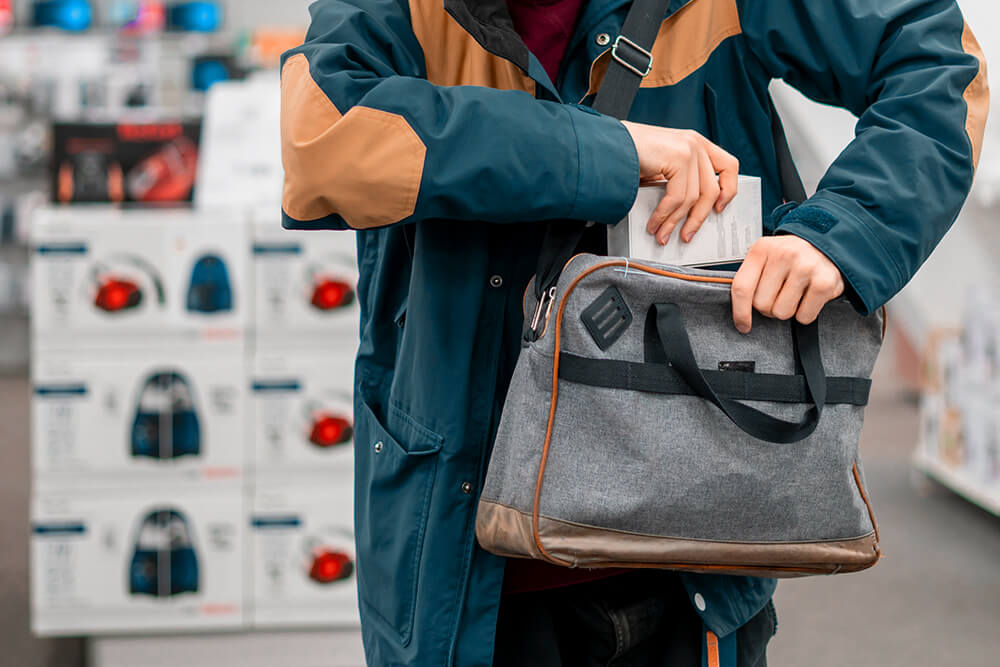
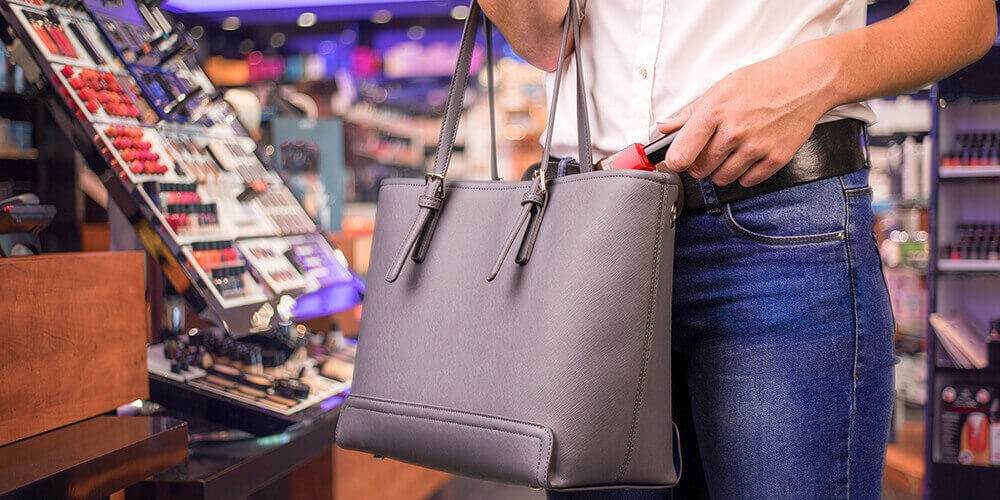
The combination of busy stores, busy staff, and additional products on display means the holiday retail period attracts both opportunistic shoplifters and those involved in Organized Retail Crime.

Importantly, this theft can be easier for the perpetrator to justify because they either feel it’s an item they need or because stores appear to be making a profit and the sale won’t be missed.

Together, this means retailers need to be on their game in the lead-up to the holiday shopping period, which spans the six weeks prior to Christmas.

So, here’s is a list of the most commonly stolen items and the best protection methods.

Top 10 stolen items

1. Electronics accessories

Whether it’s the latest earbuds, chargers, or a phone case, electronics accessories are frequently targeted due to their small size and appeal as a Christmas present.

They also tend to be sold and displayed in high volumes in stores where the sales associate’s watchful gaze is more likely to be guarding the high-value electronics they come with.

Protecting electronics accessories

Electronics accessories can be protected in a number of ways, including security labels, stop locks, or lockable displays which showcase the accessory behind glass. They can also be secured to the electronic gadget they come with as part of an engaging display.


2. Leather clothing

Frequently shoplifted leather clothing ranges from jackets to footwear and caps, but these items are often sought after due to their appeal as both a present and their high resale value on the black market.

Protecting leather clothing

Leather clothing is best protected using EAS security tags with a lanyard or cable that secures the tag to the product. The lanyard or cable avoids the need for the tag pin to pass through the item.


3. Electronics

Electronics, like cell phones, tablets, laptops and gaming devices, consistently rank on most consumer’s gift list, while their resale value is also high. That means they are targeted by both organized crime rings and opportunistic shoplifters.

Protecting electronics

The challenge with electronics such as smartphones is that legitimate customers often seek to engage with them prior to purchase. These items are best protected through lockable displays where the device is tethered to a countertop, while additional stock is secured in locked cabinets or drawers.


4. Accessories

Spanning a whole gamut of products – from sunglasses to costume jewellery, scarves and more- accessories tend to be easy to steal because of their size and the volume of items on display.

Protecting accessories

The loss prevention method used depends on the type of accessory. Sunglasses can be protected using optical tags, jewelry is protected by a lockable display for high-value items and security labels for low-value products, while scarves might best be protected using clothing security tags.


5. Winter clothing

When it comes to shoplifting, winter clothing is frequently stolen by concealing it underneath other garments. That said, it is one of the easiest items to protect.

Protecting winter clothing

Fashion security tags should be deployed on all winter clothing, while retailers should also turn their attention to security in the fitting room, utilising additional EAS tools like the Apparel Guard.


6. Meat and seafood

Meat and seafood are of course celebratory food staples throughout the holiday period, and they can be a target of theft by opportune shoplifters looking to save money where possible.

Protecting meat and seafood

Purpose designed food grade tags are available for packaged meats and seafood, while CCTV can assist, along with positioning these items where staff can oversee them.


7. Liquor

Liquor is a common target throughout the year, but the festive nature of the holiday season sees theft of alcohol spike.

Protecting Liquor

Top shelf liquor should be protected with purpose-designed liquor security tags, while high volume liquor can be protected by labels.


8. Perfume and cologne

Small, often valuable and a popular present, perfumes and cologne are also frequently stolen items, while their resale value also makes them a target for organized crime.

Protecting perfume and cologne

High-value perfumes are generally secured in lockable glass cabinets with only testers on display. Lower value, high volume fragrances are best protected with security labels.


9. Children’s toys

It’s hardly surprising to find children’s toys on the shoplifting hit list at Christmas, but protection strategies vary depending on their size, shape and value.

Protecting children’s toys

High value boxed toys can be protected by spider wraps and tags, lower value items are protected with labels, while plush toys of high value can be secured using apparel tags.


10. Chocolate

Like liquor, meat and seafood, chocolate is a staple of the festive season and it’s frequently shoplifted as a result.

Protecting chocolate

As chocolate is considered a grocery item of high volume, labels are the loss prevention method of choice.


You can order your security tags to protect frequently stolen items this holiday season here, and security labels here.

Meanwhile, our holiday loss prevention checklist is available here.

customer-appeal-mantain-secutity-header

How to create customer appeal and maintain security

As the end of a tough year draws to close, retail is looking to capitalize and convert the foot traffic that will inevitably begin to venture back into the real-world environment as part of the holiday shopping season ahead.

With this year likely to see fewer visits per customer and less time spent instore due to the lingering threat of Covid-19, making every visit count will be one of the major priorities for the retail sector in the upcoming period.

Which begs the question of how can retailers create true customer appeal for their storefront while also maintaining security?

Loss prevention in the right places

Protecting a store against shoplifting, organized retail crime, and employee theft is all about ensuring the right security in the right places, and often that involves a multi-layered approach.

Items should be protected at a product-based level through tools such as electronic article surveillance including security tags and labels, while the whole store should be guarded by CCTV, staff training, good layout, and perhaps even loss prevention personnel.

The key here is to maintain a balance that treads a fine line between protecting products and the retail outlet while still enticing customers in.

That means the right security in the right places, and it involves factoring in the level of security that a reasonable customer would expect to find in a particular store.

In department stores and electronics outlets for example, you might expect to see a security guard at the door. In your average apparel outlet, that could prove overkill and actually deter patrons from entering.

In some stores where theft is a persistent problem, obvious CCTV might be required to deter shoplifting, but in others, the approach to surveillance would need to be more subtle.

Meanwhile, there are additional security options that allow you to protect products without a display of obvious security.

Subtle yet secure

customer-appeal-mantain-secutity

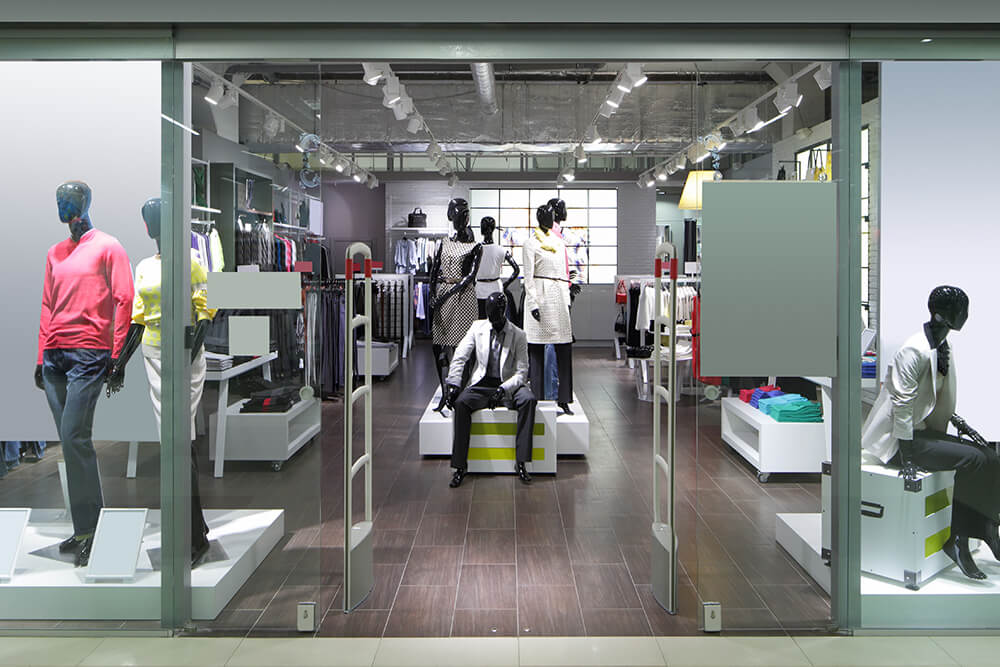
Recent innovations in the world of electronic article surveillance (EAS) allow the antennas that guard the store to be concealed within the doorway, under the floor, or even overhead.

In boutique stores, upmarket retailers and even department stores, this seamless entryway helps create a warm, welcoming environment which entices the customer in.

Rather than being evident and obvious, the entryway is kept clear and can be designed to really cater to the customer experience.

In the interim, concealed EAS still allows labels and tags to be monitored, protecting products against shoplifting and theft.

In addition, there are also new EAS tools available for the fitting room. These notify staff when a tag is being tampered with in the private environment of the change room, or when a product is being concealed beneath the patron’s clothing or in booster bags.

The right tag or security label for the right job

As effective as security tags and labels are at protecting products, there is such a thing as security overkill, where the tag or label is too cumbersome, large or distracting to effectively protect the product and instead deters customers from actually interacting with it.

That’s why it’s important to source the right security label or tag for the job at hand.

As a quick rule of thumb:

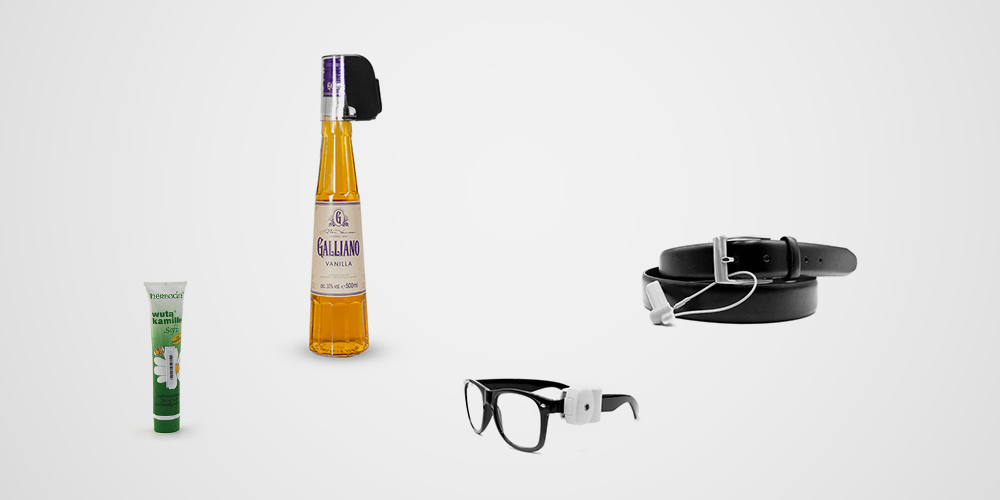
  • Apparel is best protected by tags which should be positioned so as not to interfere when customers try on clothing
  • High-value accessories like handbags and brand label sports shoes are best protected with cables or lanyards and tags
  • High-value eyewear and sunglasses should be protected by specific optical tags
  • High volume, low-value products like pharmaceuticals, books, DVDs, games and perfumes are best protected by labels, as are non-perishable groceries and small hardware products.

The above is just a brief guide, however, and you can learn more about selecting the right tag or label for the job at hand here.

Cabinets and displays

For commonly targeted items including electronics like tablets, computers, and cell phones, secure displays are the ideal choice.

These displays allow the item to be accessible to the consumer, yet protect the product against theft. They also help entice the customer in to experience the product and allow for interaction, playing to the ‘touch, feel and experience’ strength of real-world retail.

Meanwhile, additional products can be secured in lockable cabinets or glass displays, but the key here is to ensure they can quickly be accessed by staff to serve the customer.

Smart keys which can be allocated to a staff member and programmed to open multiple cabinets in their section are recommended to streamline this process.

The final word

Loss prevention is always a balance, but this year creating an appealing retail environment matters more than ever before.

You can order your security tags and labels with is directly, or see our holiday security checklist here.