loss-prevention-challenges-2021

Five loss prevention challenges for 2021 Page 2

With retail beginning to settle back into its new normal and consumer spending on the increase, attention is turning to getting back to business and boosting the bottom line.

The key to protecting that bottom line is loss prevention, but with a new landscape come new challenges.

Here are five loss prevention challenges the retail sector will be looking to address throughout 2021.

Control versus convenience

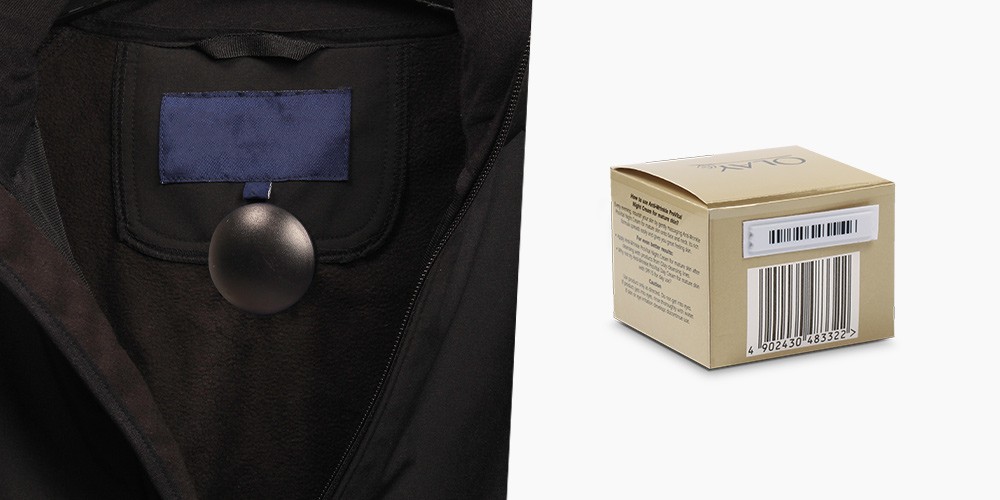
Featured products: Shell Tag and Boss Labels AM

An increased focus on omnichannel and strategies like buy online pickup in-store (BOPIS) means control of stock and products now has to be carefully weighed against consumer convenience.

That makes visibility key when it comes to inventory control.

Improved inventory visibility might include:

  • Item tracking via RFID.
  • A focus on loss prevention such as electronic article surveillance to reduce out-of-stock events.
  • Improved data and analytics for accurate insight into stock levels.

Truth is inventory accuracy has always been a major factor in loss prevention, with human error, fraud, and theft all undermining a store’s ability to keep track of its stock.

As trends like BOPIS and omnichannel are set to stay, this accuracy and control are now more important than ever.

Customer interaction

Customer interaction

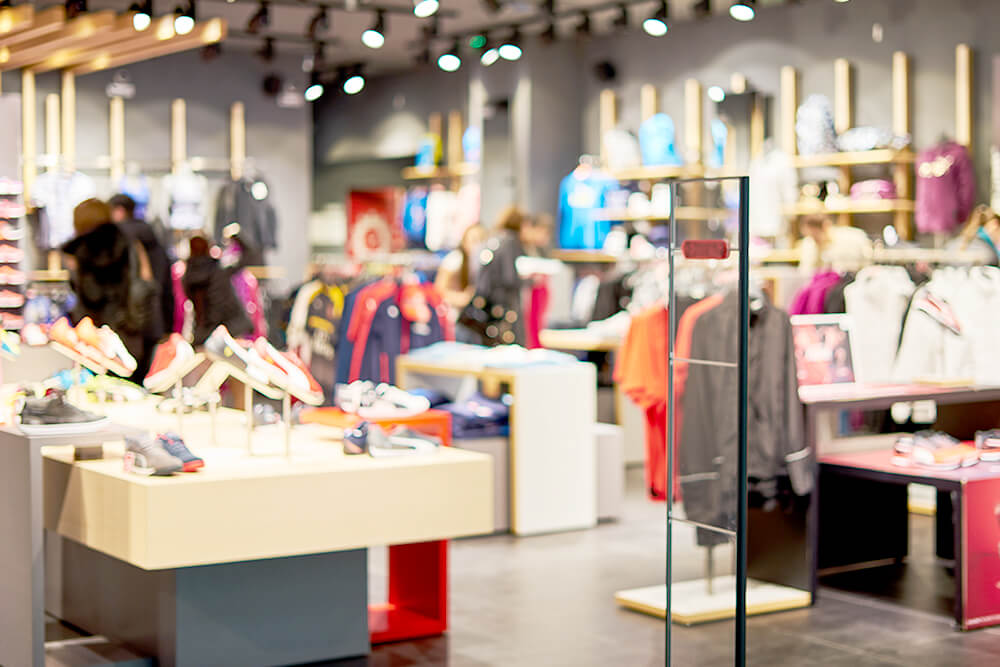
With retail foot traffic still lower than in years gone by, bricks and mortar is looking to play to its strength of allowing customers to touch, try, feel and interact with products.

Again, this requires a fine balance of allowing customers access to products while also ensuring these items are protected against theft.

Meanwhile, enticing displays are becoming a priority as retailers seek to find more ways to lure potential customers into their outlets.

So how can you protect products, while still guarding them against shoplifting and theft?

Loss prevention methods include:

  • Product-based security measures including security tags and labels.
  • Good store layout.
  • Staff education and training.

Supply chain accountability

Securing the supply chain continues to be key to mitigating retail loss. This has become increasingly important in the past 12 months due to the shipment and manufacturing delays that have occurred over the past year.

The upshot is, store management now requires greater supply chain accountability to ensure the products that are on order are traced and ticked off when they arrive.

Tools like RFID, which offers 99.9 percent supply chain accuracy can assist.

Remote insight
Remote insight

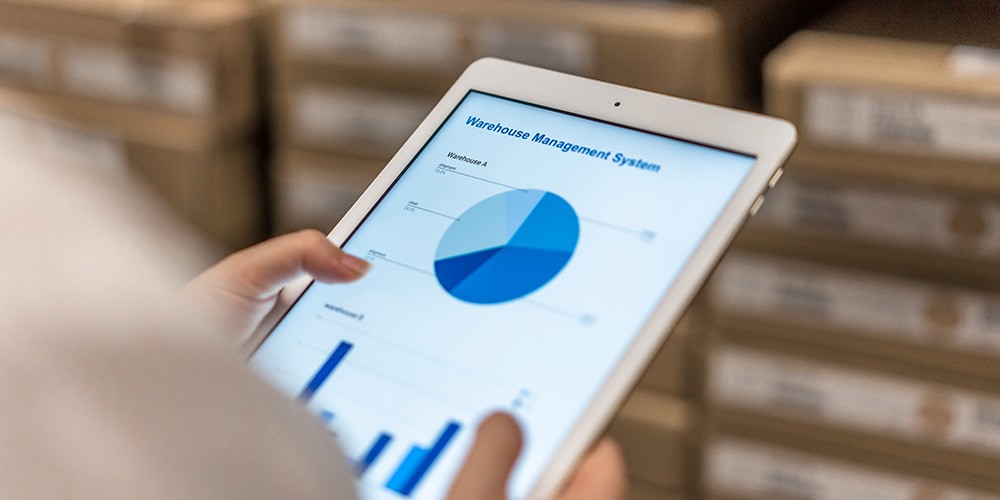
With remote working still very much on the agenda and travel fairly limited, remote insight into a store’s operation including its sales, revenue and loss is a continuing priority for store management.

That’s where tools like mPOS, cloud-based analytics, and inventory tracking methods like RFID are coming into play, allowing retail management remote insight into the operation of one outlet or a chain of stores.

Staff safety

Between protests, riots, and health fears, staff safety remains a major priority for all retailers. Although necessary, safety focus does have an impact on loss prevention, with staff often at the frontline when it comes to identifying loss and theft.

As a result, loss prevention tools and technology will play an increasingly important role in the fight against shoplifting, theft, and miscellaneous loss.

To learn more about trends shaping the retail landscape in 2021, see here. Alternatively, you can order your security tags and labels directly here.

EAS-best-practice-to-reduce-theft

Employing EAS best practice to reduce theft Page 2

Electronic Article Surveillance remains one of the most effective and popular tools in the fight against retail theft.

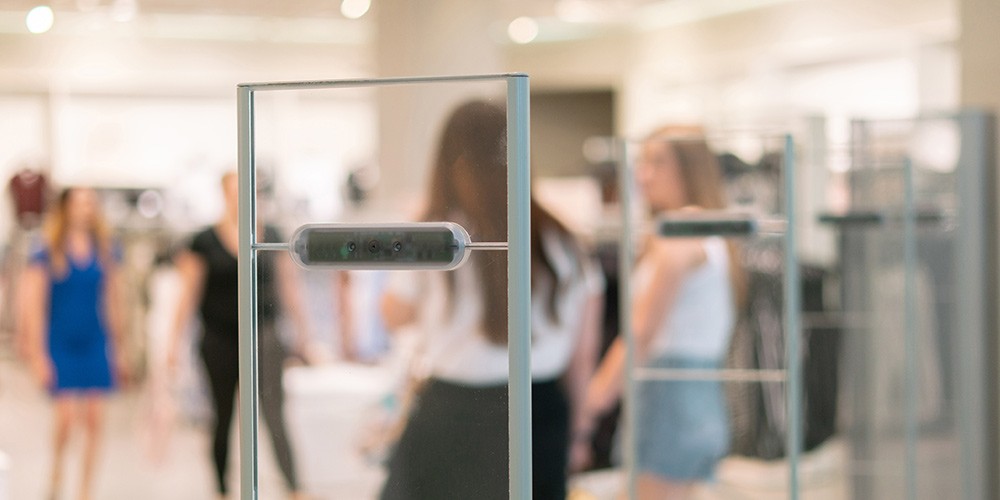
Employing security tags, security labels, and antenna that monitor the tags, it is renowned as the most comprehensive way to protect stock at a product-based level, reducing eternal theft by between 60 and 80 per cent.

But like any loss prevention tool, EAS effectiveness is impacted by the way it’s deployed and how well staff is trained in using the system.

With that in mind, here’s a quick guide on EAS best practices to reduce theft…

The right tag or label

The right tag or label
Featured products: Shell Tag and Boss Labels AM

For retailers drawing on the power of EAS, it’s critical they select the right security tag or the correct security label for the product they’re looking to protect.

These days security tags and labels are available in both AM and RF frequencies, while tags come in different shapes, sizes, and magnetic strengths.

You can gain a full insight into selecting the right security tags for your store here and learn more about the different types of labels and their uses here.

But to put it briefly:

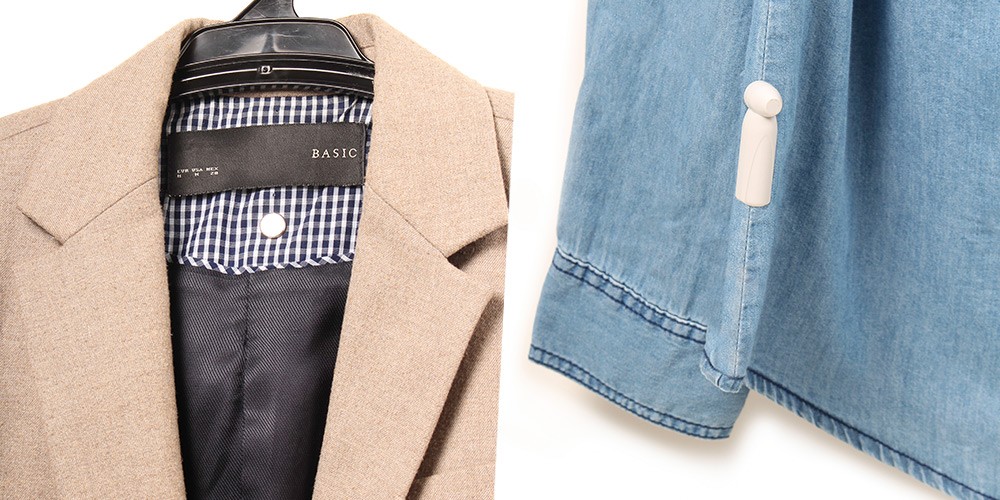
  • Apparel is best protected using clothing tags with a minimum superlock strength.
  • Accessories like handbags and sports shoes are generally protected with security tags that attach via lanyard or cable.
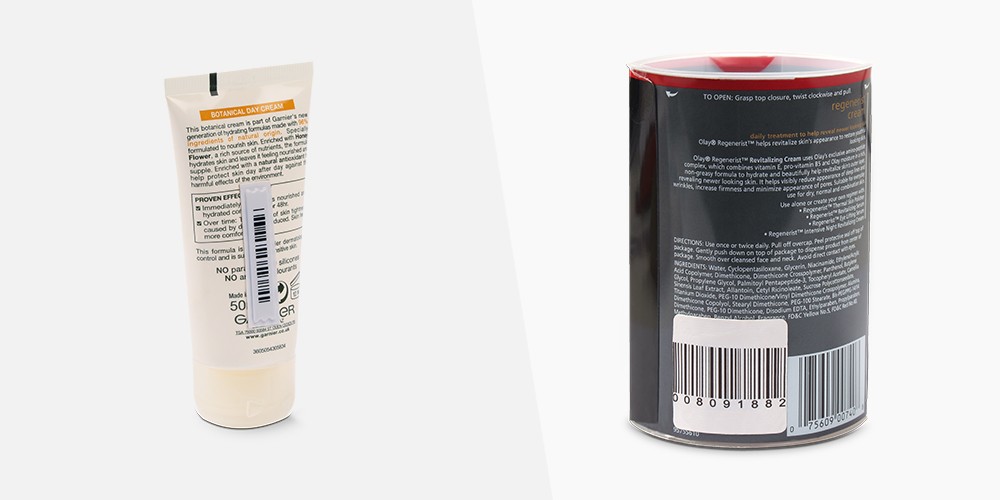
  • High-volume, low-value items like perfumes are best protected with labels.
  • Specialist tags are available for products including golf clubs, liquor, eyewear, and baby formula.

Position matters

Where the security tag or label is positioned on a product matters for a whole host of reasons.

Uniform positioning allows a store to be more visually appealing, while consistent positioning also assists with tag removal and label deactivation at the Point of Sale.

Security tags

Security tags

Featured product: Pencil Tag

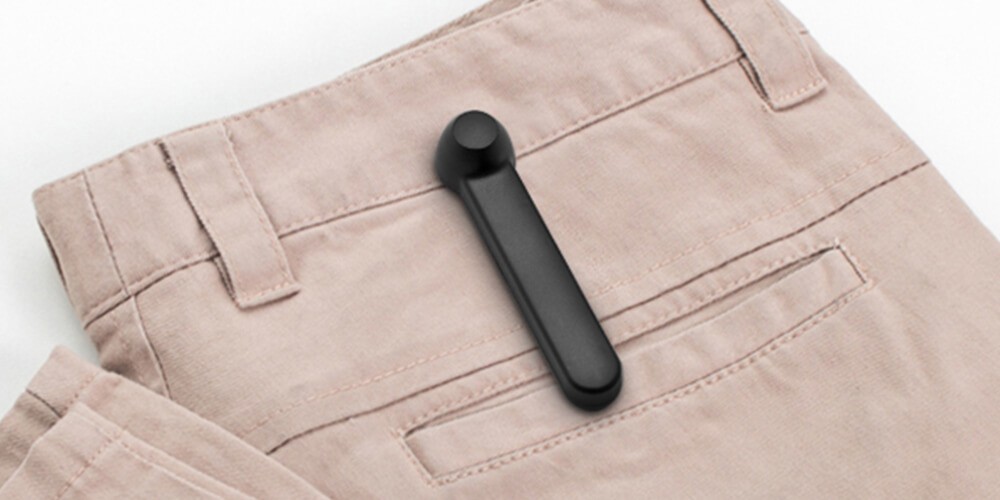
Security tags should be positioned so as not to interfere with the customer’s experience of a product.

At the same time, tags should also be situated in place which is obvious enough to deter theft and ensure anyone attempting to pull them off will cause significant damage to a product, rendering it useless.

Security labels and stickers

security labels

Featured products: Boss Labels AM and 30×30″ RF Labels

The ideal position for a security label is near the barcode. This position allows for quick deactivation and maximum efficiency at the Point of Sale.

When it comes to best practices, retailers should have a store guide and policies regarding the tag and label positioning to ensure consistency throughout a retail outlet.

Easy label deactivation and tag detachment

While labels are deactivated using a deactivator that breaks a circuit within the label, security tags need to be detached using a tag detacher.

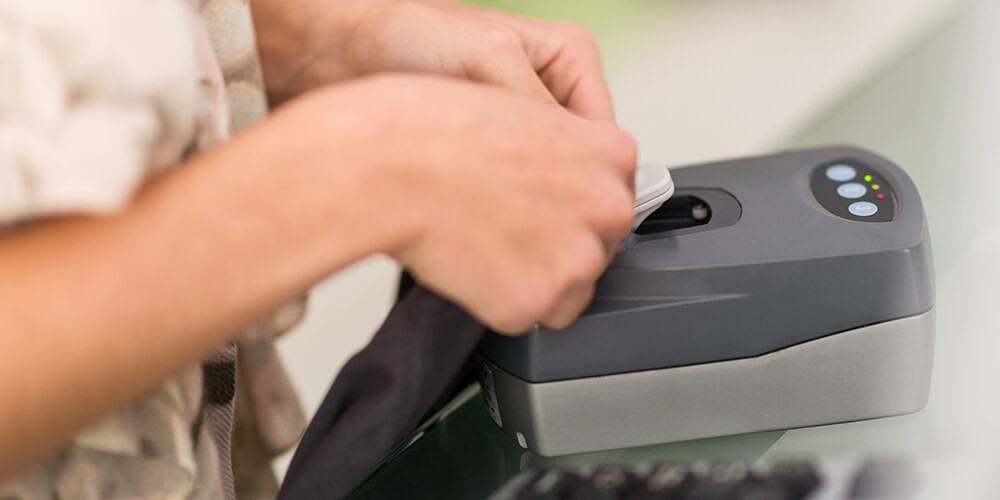
Security tag detachers and label deactivators are best positioned at the Point of Sale, allowing for easy tag removal and label deactivation.

Tag detachers can be built into the countertop or affixed to it, while deactivators can be mounted to the counter, concealed beneath it, or incorporated into barcode scanning equipment.

Retailers should ensure these detachers and deactivators are easily accessible to staff, and there are enough to service all Points of Sale.

Meanwhile, deactivators should be checked to ensure they are powered and working each day as part of a store’s opening protocols.

Minimize false alarms

Minimize false alarms

If your store experiences false EAS alarms, it desensitizes staff to the real risk of an item being shoplifted.

In order to minimize false alarms:

  • Your EAS antenna system should be tested daily.
  • Staff should be made aware of the ‘no-tag’ zone (between the antenna and a 6ft region around it).
  • Staff should be educated on tag pollution.
  • Staff should be trained in tag detaching and label deactivation.

You can read more about minimizing false EAS alarms here.

Understand the clues

If you find items are being shoplifted even with an EAS system in place, there are generally clues to areas that need improvement.

For example, if you find tags removed and discarded in store, it indicates one or a couple of the following:

  • Insufficient magnetic strength.
  • Incorrect tag type for the product being protected.
  • Inadequate tag pin size.

We have a helpful further guide to troubleshooting tag security here

The final word

EAS remains one of the most effective security tools in the fight against retail theft. But like anything, it can benefit from honing and improving over time.

If you’re looking to improve your EAS system, you can view our range of security tags here, and labels here.

ways-to-stop-shoplifting-using-the-point-of-sale

Six ways to stop shoplifting at the Point of Sale Page 2

The point of sale is a key weapon in the fight against shoplifting. As the place where transactions are made and staff are based, it provides the central location to not only identify retail loss but to actively combat it.

With that in mind here are six ways to stop shoplifting using the point of sale.

Location, location

The point of sale is among the most important focal points of any retail outlet, and its location alone can help combat theft.

The POS should be positioned so staff have a clear line of sight across the shop floor. In larger outlets, registers should be near the door to ensure customers coming in and out are observed in a welcoming manner.

Meanwhile, self-service registers should fall under the watchful gaze of a dedicated attendant.

Analytics and insight

Analytics and insight

A great asset of the modern-day Point of Sale is that it reveals a wealth of data relating to loss prevention.

For example, it can tell management when a store is most likely to be busy, which staff member handled what transactions, and what items are meant to be in stock, but cannot actually be located on the shop floor.

It also reveals information about returns and refunds.

Together this paints a picture of where your retail loss is occurring, providing clues as to whether that’s due to employee theft, fraudulent returns, or shoplifting of specific items.

Gift cards and returns

On that note, the Point of Sale is where transactions including refunds, exchanges and gift card redemptions most commonly occur. And each of these transactions offers the potential for retail theft involving fraud.

Service staff at the register should be well trained in what to look out for when it comes to fraudulent returns and gift cards, along with being made aware of a store’s policies relating to returns without receipts.

EAS strategy

EAS strategy
Featured products: Pencil Tag with Pin and Mini Tag.

The Point of Sale is integral to loss prevention strategies like electronic article surveillance. After all, this is the site where the security labels and security tags which protect individual products against theft are deactivated or detached.

Staff at the POS are also likely to be among those responding to any EAS alarms.

That means detachers and deactivators should be readily accessible at the Point of Sale, allowing staff to quickly remove tags or deactivate labels as they complete a sales transaction.

Meanwhile, POS staff should also be educated on how EAS works, including proper deactivation and detachment techniques to avoid false alarms and what to do in the advent of an actual alarm.

Identifying suspicious behavior

As the central location that customers attend to make a purchase or an inquiry, the Point of Sale is also among the places in a store where suspicious activity can be quickly identified.

For example, organized gangs of shoplifters will often seek to distract staff at the POS while items are stolen.

It’s also a central position to observe consumer behavior looking for the key signs of shoplifting.

High value stock

High value stock

Best loss prevention practice indicates high-value stock should be positioned within view or reach of the Point of Sale.

In smaller retailers, this might mean high-value stock is positioned behind the counter, or a display model is available but actual merchandise is locked in a drawer or glass cabinet, accessed by POS staff.

The final word

The role of the Point of Sale in loss prevention is just one factor that retailers should consider when It comes to combatting shoplifting, theft, and organized retail crime.

The right positioning of the POS, the right insight from its analytics, and the right training of POS staff ensure this key feature of all stores can be used to great effect to help reduce shoplifting and theft.

For more tips on loss prevention see here, or view our range of security tags and security labels.

The biggest advancements in retail loss prevention Page 2

For as long as shops have been around, so has retail loss, but the fight against theft and error has also enjoyed some innovations and new weapons along the way.

Some of these tools make monitoring the store environment easier, others involve tracking products, and most have only been created in the last 100 years.

So, with that in mind, here are the biggest advancements in retail loss prevention…

CCTV

Photo by: PR Newswire

Closed-circuit television hasn’t just changed retail security, it’s altered the whole world. First invented during WWII in 1942, the technology has since evolved to become digital and smart, allowing footage to be stored in the Cloud.

In the process, it allows retailers a bird’s eye view of what’s going on in-store, including enabling loss prevention professionals to catch thieves in the act of shoplifting or employee theft.

The presence of CCTV has also become a crime deterrent, stopping employees or shoplifters from committing a crime in the first place.

The security tag

The security tag
Featured product: BossTag Super Detection Tag

Attached to products and able to trigger an alarm if an item is being stolen from a store, security tags are arguably the biggest innovation in loss prevention.

The humble security tag had its beginnings in 1964, and from the ‘70s onwards swiftly became the go-to method of protecting stock at a product-based level.

By the 1980s, adhesive security labels were added to the loss prevention arsenal, but in the years since there have been a host of further developments in both tag and label technology.

Security tags are now harder to detach, more reliable, and are available in a variety of strengths along with designs for specific purposes.

Meanwhile, security labels have also evolved. They now feature a smaller footprint, greater detection and also come in different types that are suited to a wide variety of high-volume products.

RFID

Officially invented in 1983, RFID (or radio frequency identification) has come to revolutionize both supply chain accuracy and inventory counting in retail.

But this nifty technology first found its footing in a variety of other fields. RFID tags are used for tracking shipping containers, they are found in passports, and are also used for microchipping pets.

Basically, the technology involves small chips that can collect and store data – a lot of data.

In retail, RFID tags can contain information like size, color, SKU and location. They can be applied at the point of manufacture or instore, allowing retailers to trace products right through the supply chain and onto the shop floor.

In the process, they facilitate swift inventory reconciliation and boast incredible accuracy. In fact, RFID has been found to offer 99.9 percent supply chain accuracy, compared to traditional barcode accuracy that sits around 31 percent.

mPOS

Retail mPOS InVue
Featured product: InVue NE360C mPOS Center

Mobile Point of Sale might not be viewed as a loss prevention tool, but it’s role in improved order accuracy, stock counting, and inventory reconciliation is undeniable.

mPOS made its way onto the scene shortly after the arrival of mobile tablets in about 2010. And since then, it’s transformed the way retailers manage their business.

mPOS allows retail management instant access into the workings of their business from anywhere, allowing them to see sales, stock at hand, staff who are working at the time, and more.

This provides a level of transparency that is critical in the loss prevention fight.

Smart keys

Smart keys are a fairly recent innovation, but they allow retailers to better secure their stock, while also improving the customer experience and efficiency.

Basically, a smart key is one that can be programmed to open one or multiple locks, depending on the staff member’s level of access.

In the process they can track what cabinet or locked display has been accessed by a staff member, thereby preventing employee theft.

They save the time and hassle of finding the right key to fit a lock, while also offering an insight into critical retail analytics.

You can learn more about effective loss prevention strategies, including combatting employee theft, shoplifting, and Organized Retail Crime here.

no-slowdown-in-organized-retail-crime-

No slowdown in Organized Retail Crime Page 2

Organized Retail Crime (ORC) continues to be a major problem for the retail sector, with the latest survey from the National Retail Federation finding losses increased in 2020 and perpetrator aggression was also higher than the year prior.

Released in mid-December, the Organized Retail Crime Survey 2020 found Organized Retail Crime cost retailers an average of $719,548 per $1 billion in sales, which was up from $703,320 in 2019. Meanwhile, many retailers have changed or are looking to change their store policies as a result.

Here’s an insight into what the annual ORC survey revealed.

Organized Retail Crime continuing to rise

Last year marked the fifth consecutive year that retailers reported Organized Retail Crime had topped $700,000 per billion in sales.

In 2020, they noted the figure was on average $719,548, which was an increase of over $16 million in 2019 and significantly greater than in 2015 when the figure was just $453,940.

In fact, three in four retailers said ORC had increased in the past year with almost a third noting that increase was significant, and many attributed the rise to changes in legislation that raised the threshold of what constitutes a felony.

Retail response

Retail response

In response to the increased threat, the report most retailers were turning their attention to theft prevention.

In the past 12 months:

  • 33 per cent of retailers surveyed had changed their return policy, while 19 per cent intended to
  • 29 per cent had changed their Point of Sale policy, while 16 per cent intended to
  • 20 per cent had altered their trespass policy, while 7 per cent intended to
  • 14 per cent had changed their employee screening policy, while 14 per cent intended to

Meanwhile, 61 per cent of retailers noted their company was now prioritising Organized Retail Crime more than they did five years ago, 52 per cent said their company was allocating additional technology resources to address risk, and 36 per cent said their company was increasing its annual loss prevention budget.

More aggression

The majority of retailers also reported Organized Retail Crime involved more violence in 2020 than it did in 2019.

Almost a third of respondents (31 per cent) said perpetrators were much more aggressive, 26 per cent said they were somewhat more aggressive, 41 per cent reported the aggression was the same as the year prior and just two per cent said perpetrators were less aggressive.

Top items stolen

Top items stolen

When it came to the products commonly targeted by perpetrators of retail crime, the report found designer clothes well and truly topped the list, accounting for 34 per cent of thefts.

Designer clothes were followed by:

  • Laundry detergent (21 per cent)
  • Designer handbags (16 per cent)
  • Deodorant (15 per cent)
  • Laptops/tablets (13 per cent)
  • High-end liquor (13 per cent)
  • Allergy medication (13 per cent)
  • Pain relievers (13 per cent)
  • Infant formula (13 per cent)
  • Denim pants (11 per cent)
  • Cigarettes (10 per cent)
  • Contraceptives (10 per cent)
  • Teeth whitening strips (10 per cent)
  • Cell phones (8 per cent)
  • Energy drinks (7 per cent)
  • High-end vacuums (5 per cent)
  • High-end appliances (5 per cent)

Should these items then be located or recovered, they were most likely found on other websites (59 per cent), in pawnshops (20 per cent), in check cashing stores (6 per cent), or at other venues (9 per cent).

About the survey

The NRF Organized Retail Crime Survey 2020 involved 61 anonymous retailers and was conducted between February and April 2020. Survey authors note it took place during the Covid-19 shutdowns and may reflect that uncertainty.

The full NRF report is available here, while retailers can gain further insight into strategies to mitigate ORC here.

retail-trends-that-will-translate-into-2021

The retail trends that will translate into 2021 Page 2

2020 proved a watershed year for the US retail sector, with brands required to quickly pivot and adapt in the face a global pandemic and the Black Lives Matter social movement.

As a result, a raft of changes were introduced, including contactless retail, and an upswing in online ordering and curbside pickup, while retailers were also called on to stand up and deliver on social values.

So, as we exit 2020, what are the retail trends that will translate into 2021?

Protecting the bottom line

Protecting the bottom line has been paramount in 2020, and this will continue into the coming year. Despite some rallying in recent times, US consumer confidence hit a four-month low in December and the road ahead looks equally rocky.

For retailers that means they need to protect the bottom line with a clear understanding of their numbers, and solid policies and future plans.

Part of securing that bottom line is about protecting a retail outlet against loss. In 2020, US retail loss hit an all-time high, costing the sector an astounding $61.7 billion with profits literally walking out the door due to shoplifters, employee theft, human error, and miscellaneous loss.

Now is the time for retailers to plug that leak, taking a good hard look at their loss prevention strategies and how to improve them.

Contactless and convenient

Contactless and convenient

Customer convenience has been key to the retail sector surviving and, in some instances thriving, in 2020. After all, this was the year that saw Buy Online Pick Up Instore (BOPIS) and online retail enjoy a major upswing in adoption.

The year ahead will see the demand for convenience continue, with the customer expecting to effortlessly navigate between the real-world and online retail environments.

Meanwhile, contactless retail will remain a priority, with stores continuing to implement strategies like contactless payments, contactless delivery, and contactless curbside pickup.

Communication critical

Communication has been critical throughout 2020 in a year when the Covid landscape kept changing.

In fact Forbes recently noted consumers actually trusted the information from the business more than they trusted their own government in the US over the course of the year.

This communication will continue to be an expectation. The bar has been raised, customers rewarded business for their efforts and now they will settle for nothing less than a credible, consistent two-way conversation using the medium that best suits them.

Social values imperative

Social values imperative

This was also a year when retailers were judged by their social values, how well they communicated them and then how effectively they matched their actions with their brand promise.

Earlier this year, Harvard Business Review explained Covid had put business’ social values to the test like never before, and many consumers looked to the corporate world to see how they handled both customers and staff during the pandemic.

Meanwhile, Forbes noted 71 per cent of consumers said they would lose trust in a brand forever if they were perceived to be putting profit before people.

In the coming year, that trend will undoubtedly continue, with consumers placing increased pressure on brands to align their social values with their image and take action that supports that commitment.

Empowering staff

The human factor continues to be real-world retail’s greatest asset with staff at the frontline of the retail experience.

These valued members of the retail team need to be empowered to do their job efficiently and effectively with tools that allow them to tap into the knowledge and offer superior customer service.

Among the tools available to assist are things like mobile Point of Sale, along with creative product displays and little things like smart keys which enable them to be more efficient.

Together, these allow staff to better cater to their customer at a time when it’s never been more important to go above and beyond the customer expectation.

You can find out more about how the retail landscape is changing, and how we can assist with protecting your bottom line here. Or you can shop directly for security tags here, and security labels here.

random-versus-planned-shoplifting

Random versus planned shoplifting Page 2

There’s a big difference between an opportune shoplifter who steals on a whim and those with more sinister intentions who utilize meticulous planning.

But regardless of intention, theft is a crime that costs the retail sector dearly, and right at the moment retailers are in the thick of peak shoplifting season.

So, what’s the difference between random versus planned shoplifting, and how should retailers approach each.

Random shoplifting

Random shoplifting is a crime of opportunity. The opportunity to steal something presents, the shoplifter takes advantage of the situation.

Combatting this type of crime therefore involves eliminating that opportunity as much as possible.

So what exactly do we mean?

Random shoplifter profile

A random shoplifter might steal for a buzz, perhaps out of necessity, or even out of compulsion. They might also steal as an act of retribution for poor service or because they’re a generally loyal shopper who feels entitled. But they rarely enter a store with a targeted plan.

Instead, a lack of security, staff inattention, or poor store layout offers them the chance to steal goods unnoticed.

The items might vary in value, but tend to be smaller and easier to conceal, and combatting the random shoplifter involves a broad-brush approach to general loss prevention best practice.

Combatting random shoplifting

Combatting random shoplifting

Eliminating opportunity involves:

  • Good store layout with clear lines of sight from the POS to the floor and sufficient lighting
  • A well-organized store, without clutter
  • Attention to the fitting room
  • Attentive staff who utilize meet and greet protocols, and are educated regarding shoplifter behaviour
  • Clear policies and procedures regarding apprehension and prosecution of shoplifters
  • Overall store security such as obvious CCTV and security personnel
  • Product-based security including electronic article surveillance, security tags, and security labels
  • Good inventory reconciliation

Planned shoplifting

Planned shoplifting is a slightly different beast. In this case, a retailer is specifically targeted due to the type of products it has available, with thieves taking advantage of any weakness in security.

That means it’s also a crime of opportunity, but the retail response has to be a lot more considered.

Planned shoplifter profile

The shoplifter who plans will generally be stealing for financial gain, targeting products that command a high re-sale value. That makes items like electronics particularly vulnerable, along with designer fashion products, pharmaceuticals, perfume, and high-end liquor.

Planned shoplifting is often associated with Organized Retail Crime, and can encompass groups who actively distract retail staff, snatch and grab events, and complex methods of thwarting a store’s security systems.

In fact, an astounding 97 per cent of retailers say they were impacted by Organized Retail Crime (ORC) in 2019, losing over $700k per $1 billion in sales.

This type of planned activity is often prefaced by staking out a retail outlet for security systems and casing the store for the products available.

These are some of the warning signs staff should be aware of, but actively combatting the threat involves many of the strategies above along with more targeted security measures.

Combatting planned shoplifting

Combatting planned shoplifting

Preventing planned shoplifting is a lot more targeted than combatting opportune theft. It involves knowing what’s likely to be sought after by thieves and protecting it accordingly.

Ways to combat planned shoplifting include all the methods outlined above, plus:

  • Lockable displays for high-value items like electronics and perfumes
  • Tethers and alarms on electronic display items
  • The right security tags of at least SuperLock magnetic strength on fashion apparel
  • Security tags with cables or lanyards for fashion accessories
  • Bottle top tags for high-end liquor
  • Additional EAS security for the fitting room such as Apparel Guard


You can view our range of security tags here, or revisit our information on shoplifting signs and behavior here.

combatting liquor theft-header (1)

‘tis the season to be jolly – combatting liquor theft Page 2

Over the coming weeks, US liquor sales will spike to their highest level of the year, with alcoholic beverages tipped to be an essential purchase on many people’s holiday shopping list.

But with that spike in sales comes an inevitable uptick in theft, making now the time that retailers should be looking to secure their liquor against shoplifting.

Here’s a guide to combatting liquor theft during a season when alcohol sales are set to be merry indeed.

Holiday season alcohol demand

Each year statistics indicate a marked rise in alcohol sales throughout December, with figures indicating they are at least a third higher than the lowest point of the year. And the market is only increasing.

In December 2017 for example, Statista noted liquor sales peaked at $6.284 billion, compared to their lowest point in January when sales were just $3.74 billion.

It was a similar story in 2018 and 2019.

  • In 2018, beer, wine and spirit sales topped $6.442 billion, compared to $3.991 billion in January
  • In 2019, beer, wine and spirit sales topped $6.63 billion, compared to $4.134 billion in January

This year, December sales could even be higher, with Covid-19 seeing a rise in liquor demand and sales reaching $6.421 billion by July.

Demand sees spike in liquor theft

Demand sees spike in liquor theft

As legitimate sales of liquor increase so too does liquor theft, with December renowned as a peak season for shoplifting.

In fact, liquor ranks among the top 10 stolen items across the US over the holiday season as foot traffic increases and sales associates cope with increased demand.

So how can retailers protect their liquor over the busy period ahead?

Liquor theft prevention

Shoplifters target liquor for a variety of reasons. In some cases, it’s simple opportune pilfering. This category of opportune thieves often includes teens who steal alcohol almost as a rite of passage and people who may already be under the influence and harness their decreased inhibitions to have a further drink ‘on the house’.

These types of thieves usually go after lower value items that are easy to access.

Other thieves are more strategic in their product selection, targeting high-value liquor that can be resold at a greater price. This sees liquor amongst the prime targets for organized retail crime (ORC).

But regardless of the reason or strategy behind it, alcohol theft costs retailers a significant sum, contributing to $61.7 billion in retail shrink across all retail verticals in 2019 alone.

Liquor security tags

Liquor security tags
Featured product: Liquor Security Tags

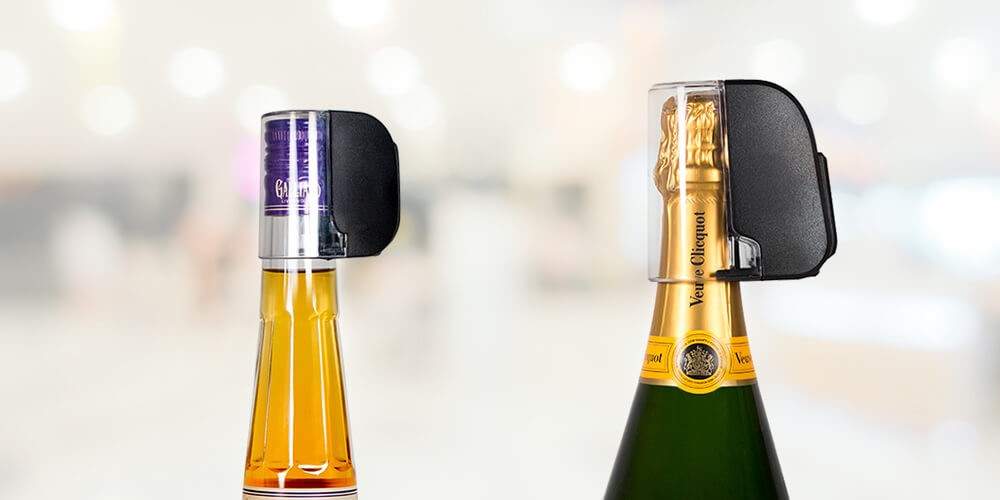
Designed specifically to protect wines and spirits, liquor security tags are amongst the latest innovations in Electronic Article Surveillance.

The caps are designed to fit over the bottle top, can only be removed at the Point of Sale, and ensure an alarm sounds if a thief tries to steal wine or spirits.

They also prevent alcohol from being consumed in the store, are available to suit both RF and AM EAS systems, and offer a universal fit to suit varying bottle neck shapes and sizes.

As an added benefit, the caps are available in bulk, are reusable and easy for store assistants to remove and attach. They also offer an affordable way to protect products while still allowing the consumer to access, touch, feel and examine them.

Locked cabinets

When it comes to top-shelf liquor many retailers opt to secure their products behind glass.

Glass cabinets allow the consumer to see the product but not touch it. It enables the staff to keep the items under their control but can cost time when it comes to access. Meanwhile, the locks need to be impervious to picking.

That’s where innovations like smart locks and smart keys come in. They allow retail staff to quickly access all relevant cabinets using a single programmed key.

These keys can also track which staff member has accessed what cabinet, allowing retailers to also mitigate employee theft.

Security labels

For high-volume, low-value liquor, beer and wine, security labels are a popular alternative. Labels come in a range of sizes, are available for both RF and AM EAS systems and can even have the barcode printed on them to save time at the Point of Sale.

CCTV

CCTV and video surveillance are excellent loss prevention strategies for monitoring an entire store and can be a tool that deters thieves from committing an act of theft

However, CCTV often detects a crime and identifies a criminal after the incidence has occurred, leaving the matter in the hands of police rather than avoiding a theft.

You can learn more about liquor bottle security tags here or browse our range of security labels here.

biggest-loss-prevention-mistakes-retailers-make

The biggest loss prevention mistakes retailers make Page 2

Battling retail loss is an ongoing challenge for retailers. With the cost of that loss currently at $61.7 billion in the US, the stakes have never been higher.

However, many retailers struggle to either understand where their loss is occurring or do not have sufficient strategies in place to address it. So let’s look at the five biggest loss prevention mistakes retailers make.

Not knowing their numbers

You cannot manage what you do not measure, so it’s imperative retailers understand exactly where loss is occurring and when it is most likely to happen.

Loss can be attributed to a number of factors in-store, including malicious threats like shoplifting and employee theft. It can also come down to non-malicious problems like human error. Loss may also occur in the supply chain, or via e-commerce.

Only when a retailer delves into the big picture of where their store’s weaknesses lie, are they able to develop the right strategies to combat that loss.

Failing to get back to basics

Not investing in loss prevention

Although some of the tactics involved in shoplifting, theft and fraud may have changed, the battle remains the same.

For retailer’s, it’s about getting back to basics and protecting their store, their products, and their bottom line.

Individual items should be protected at a product-based level, using tools like electronic article surveillance, security tags, and security labels.

The store should be protected via CCTV or perhaps security personnel. It should also be protected with policies and procedures that help eliminate theft and inadvertent loss.

Not involving staff in the fight

Staff are the first line of defence when it comes to minimizing loss at all levels in-store, and they should be actively involved in the fight.

Again, that comes down to systems, procedures and also staff training. Staff should be fully abreast of best practice for returns and gift cards. They should be screened during the employment process to help minimize employee theft, and then trained regarding the signs of shoplifting.

They should be aware of stock reconciliation procedures and inventory counting that help identify both in-store loss and loss in the supply chain.

Most importantly, they should be fully cognizant of how loss impacts them personally as employees, affecting the retail bottom line and therefore putting their employment at risk.

Underestimating their opponent

Underestimating their opponent

Contrary to popular belief, shoplifters do not fit one single profile. They come from all walks of life, all age brackets and all demographics.

The methods they use to shoplift also vary, ranging from concealment of small items to complex pre-planned thefts involving groups.

The mistake many retailers make is to believe they can easily spot a shoplifter and to assume theft will not happen to them.

On average, each retailer takes a 1.62 per cent hit to the bottom line due to retail loss, with shoplifting the primary suspect.

Not investing in loss prevention

To fight loss in store, retailers need to invest in loss prevention, and this is an ongoing investment where technology and tools need to be regularly updated.

The reality is, what worked five or 10 years ago may no longer suffice in terms of security. The internet means thieves are now more savvy, and have a wealth of information at their fingertips.

For retailers, combatting this evolving threat requires them to consistently evaluate their loss prevention measures and upgrade them where required, looking at new and improved ways to mitigate potential loss.

For more information about the latest loss prevention strategies and tools, see here. Or head directly to our catalogue or state-of-the-art security tags and security labels.

the-big-picture-of retail-loss

The big picture of retail loss Page 2

If you’re looking to reduce loss in a retail environment, the first step is to examine exactly where it’s occurring.

This allows retail management to identify the most likely threats to the retail bottom line and devote appropriate resources to reducing it.

So, let’s examine a useful tool that’s been developed by experts to help retailers identify exactly where loss is occurring in-store.

Total Retail Loss

Developed over recent years by Professor Adrian Beck and the Retail Industry Leaders Association, Total Retail Loss is a concept that allows retail management to map out the full scale of all loss within a retail organization.

It breaks loss into four over-arching categories that encompass loss in-store, in the supply chain, via e-commerce and also at a corporate level.

As Loss Prevention Media notes, the value of a Total Retail Loss map is undeniable, “especially in terms of mapping out the scale of loss within your organization and strategically planning countermeasures”.

You can see the full map here, but for the purposes of this exercise, we’ll take a specific look at the loss threats that are most likely to occur in-store.

Major Total Retail Loss threats in-store

Major Total Retail Loss threats in-store

When looking specifically at the in-store environment, the Total Retail Loss approach breaks it into two major categories: unknown loss and known loss.

As unknown loss is simply that, retailers should be looking to determine the dollar value of this category than trying to ascertain where exactly it’s occurring.

The known loss category is more detailed, breaking defined loss into threats that are either malicious or non-malicious.

Malicious threats

Malicious loss is the type of loss that is purposefully perpetrated against a retail outlet either internally or externally and encompasses:

  • External theft
  • Internal theft (employee theft)
  • Customer fraud
  • Voucher/loyalty card scams
  • Burglary, criminal damage and arson
  • Cash theft

These are the type of threats that retailers combat via product protection (including electronic article surveillance and security tags), staff screening, policies and procedures, retail analytics, CCTV, and general security.

No malicious threats

The non-malicious threat category is slightly larger and encompasses factors like human error and wastage.

These types of threats are addressed through systems and procedure, along with staff training.

Non-malicious threats include:

  • Wastage
  • Damage
  • Spoilage
  • Missed returns
  • Natural disaster losses
  • Cash loss
  • Error

The value of TRL mapping

The value of Total Retail Loss mapping

As mentioned, the in-store category of the Total Retail Loss map is just one element.

The map also encompasses supply chain loss (including malicious threats like internal theft), e-commerce loss (such as theft in transit and counterfeit returns), and general corporate loss (such as fraud and non-malicious loss like regulatory fines and workers compensation claims).

Together, it paints a comprehensive picture of exactly where loss is occurring throughout an organization, and retailers can then assign a value to each section.

This helps define where resources need to be directed, and the tools which need to be employed to help mitigate the threat.

By consistently mapping loss across an organization, retailers can also make useful comparisons overtime periods to better understand what strategies are working and what needs to be specifically targeted or improved.

Because the reality is loss also changes over time as part of a continuing battle that retailers wage against changing trends and threats.

You can learn more about identifying where your loss is occurring here, or shop our range of security tags and security labels to combat malicious threats like theft.